Category: Home services

  • Why Regular Water Testing Matters for Urban and Rural Homes

    Why Regular Water Testing Matters for Urban and Rural Homes

    Water is one of the few things people use every day without giving it much thought. It fills the kettle, rinses vegetables, runs through the shower, and keeps household chores moving. Most of the time, that routine feels simple. But water can carry hidden problems, and changes in taste, smell, pressure, or appearance may be signs that something deserves attention.

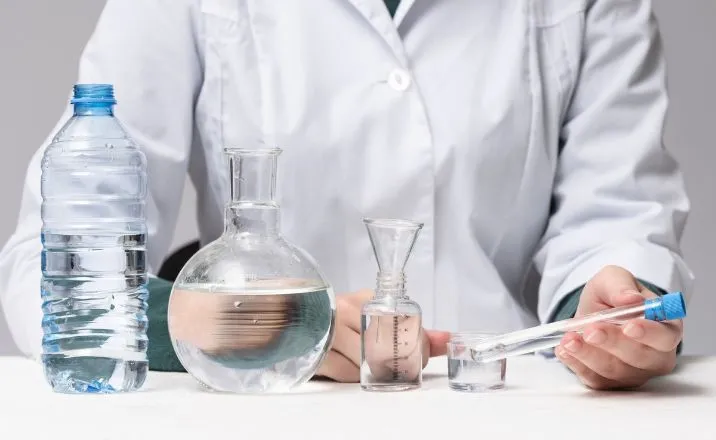
    Clean-looking water is not always problem-free water. Some contaminants cannot be seen, smelled, or tasted, while other issues—such as hardness, iron, or sediment—may slowly damage plumbing and appliances. Regular testing offers a clearer understanding of what is actually in the water and whether treatment is needed.

    Whether a property is located in a busy city neighborhood or a remote countryside setting, water quality deserves practical, ongoing attention.

    Water Quality Is Not the Same Everywhere

    The source of water plays a major role in its quality. Municipal water generally passes through treatment facilities before reaching homes, but it may still pick up substances from distribution pipes or contain minerals and disinfectants used during treatment. The condition of household plumbing can also affect the water that comes from the tap.

    Private wells have a different set of considerations. Groundwater moves through soil and rock, collecting naturally occurring minerals and, in some cases, agricultural chemicals, bacteria, or other substances from surrounding land. Well owners are responsible for monitoring their own supply, so testing becomes especially important.

    The needs of urban & rural communities may differ, but neither setting should assume its water is automatically safe or suitable for every use. City residents may be concerned about chlorine, aging pipes, or lead exposure, while rural households may need to monitor bacteria, nitrates, iron, sulfur, or changes in groundwater conditions.

    Why Water Testing Should Be a Routine Practice

    Many people only think about testing when water begins to look unusual. Orange stains, a rotten-egg smell, cloudy water, or a metallic taste can certainly justify an investigation. Still, some important concerns may not produce obvious warning signs.

    This is why water testing should be viewed as a routine part of responsible property maintenance rather than a reaction to a crisis. Testing provides measurable information about the water and helps homeowners avoid relying on guesswork.

    A test can evaluate factors such as:

    • pH levels
    • Water hardness
    • Turbidity or cloudiness
    • Chlorine
    • Iron and manganese
    • Nitrates and nitrites
    • Bacteria
    • Lead and arsenic
    • Total dissolved solids
    • Other location-specific contaminants

    Not every property requires every test. The right panel depends on the water source, local conditions, previous results, and any symptoms being noticed.

    When Should You Test Your Water?

    For households using private wells, water testing should be performed regularly, often at least once a year for basic indicators such as bacteria and nitrates. Testing is also wise after flooding, well repairs, pump replacement, plumbing work, or any event that could affect the water source.

    A new or unexplained change in taste, odor, color, or pressure is another reason to arrange testing. Families moving into a new home may also want to test the water before relying on it for drinking and cooking.

    Municipal water users can review publicly available water quality reports, but those reports describe the broader supply and may not reflect conditions inside a particular building. Older plumbing, private service lines, or storage tanks can affect water quality after it leaves the treatment plant.

    Testing can be especially important for properties with infants, older adults, or individuals who may be more sensitive to certain contaminants. When a specific health concern exists, homeowners should also consult a qualified healthcare professional or local public health authority.

    The Role of Free Water Testing

    For people unfamiliar with water treatment, the cost of testing can feel like a barrier. That is why free water testing is often offered by water treatment companies as an introductory service. It can help homeowners understand basic water conditions and decide whether further analysis is worthwhile.

    However, free testing services can vary. Before agreeing to a test, ask what is being measured, how the sample is collected, whether the results are analyzed by a certified laboratory, and whether the service includes a sales consultation.

    A basic screening may identify hardness, chlorine, iron, or other common concerns, but it may not detect every possible contaminant. If the property has a private well or a known environmental risk, a more comprehensive laboratory test may be necessary.

    Free testing can be useful, but the results should be understood in context. No single test can guarantee that water is free from every possible concern.

    Understanding Common Water Problems

    Water hardness is one of the most widespread issues in homes. Hard water contains calcium and magnesium, which can create scale around faucets, showerheads, and appliances. It may also reduce soap efficiency and leave residue on dishes or glassware.

    Iron and manganese can cause staining, metallic tastes, and discoloration. Sulfur compounds may create a rotten-egg odor, while sediment can make water appear cloudy or clog filters and fixtures.

    Microbial contamination is a different kind of concern. Bacteria and other microorganisms may enter private wells through damaged seals, surface water intrusion, flooding, or poor sanitation conditions. These issues require proper testing and, when necessary, disinfection.

    The important thing is not to treat every water problem in the same way. A softener may help with hardness but will not remove every contaminant. A carbon filter can improve taste and odor, but it is not a universal solution. Treatment should always be matched to verified water conditions.

    Choosing the Right Treatment After Testing

    Once test results are available, homeowners can consider suitable treatment options. Sediment filters may be useful for removing dirt, sand, and rust particles. Activated carbon filters can reduce chlorine and certain taste- and odor-causing compounds.

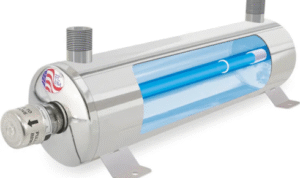
    Water softeners are designed to reduce hardness minerals, helping limit scale and protect water-using appliances. Reverse osmosis systems are often used for drinking water because they can reduce many dissolved substances. Ultraviolet systems may be considered for microbial control, particularly in some private well applications.

    In more complicated cases, specialized filtration may be needed for iron, manganese, sulfur, nitrates, arsenic, or other contaminants. A professional should explain both the capabilities and limitations of any recommended system.

    Testing Protects More Than Drinking Water

    Water quality affects many parts of a property. Hard water can shorten the useful life of water heaters, dishwashers, washing machines, and plumbing components. Sediment can damage valves and restrict flow. Poor water chemistry may also affect irrigation systems, boilers, commercial equipment, and agricultural operations.

    For businesses and farms, water testing can support operational planning. Restaurants need dependable water for food preparation and cleaning. Hotels rely on water for guest services and laundry. Agricultural properties may need to understand salinity, mineral content, and microbial conditions before using water for crops or livestock.

    Testing helps property owners make informed decisions rather than spending money on equipment that does not address the actual issue.

    Final Thoughts

    Water quality should not be judged only by how clear it looks in a glass. Some problems are visible and inconvenient, while others remain hidden until testing reveals them. Regular monitoring provides useful information and helps homeowners respond before a small concern becomes a larger one.

    From city apartments and suburban houses to private wells and rural properties, every water source has its own characteristics. By testing at sensible intervals, understanding the results, and choosing treatment based on real needs, property owners can protect their health, plumbing, appliances, and everyday peace of mind.
  • A Practical Guide to Water Lines, Filtration, and Underground Plumbing Care

    A Practical Guide to Water Lines, Filtration, and Underground Plumbing Care

    Most homeowners notice their plumbing only when something goes wrong. A faucet starts dripping, the water pressure drops, or a drain refuses to clear. But behind these everyday fixtures is a larger network of pipes that quietly delivers clean water and carries wastewater away. When those hidden systems begin to fail, the effects can spread throughout the property.

    Maintaining a home’s plumbing involves more than fixing visible leaks. It may also include improving water quality, repairing damaged supply lines, and inspecting underground infrastructure. Understanding these services can help homeowners make better decisions, avoid unnecessary expenses, and protect their property for years to come.

    Why Water Quality Deserves Attention

    Clear water is not always the same as clean or healthy water. Depending on the location and supply source, household water may contain sediment, chlorine, dissolved minerals, iron, or other substances that affect taste, smell, appearance, and plumbing performance.

    A professional water test is a sensible starting point when water quality becomes a concern. Testing can identify issues that are not visible to the naked eye and can help determine which treatment method is appropriate. Homes using private wells may require more regular testing because groundwater conditions can change over time.

    Water quality concerns can also appear through everyday clues. White scale around faucets may suggest hard water. A metallic taste could be associated with certain minerals or aging pipes. Cloudiness, unusual odors, or a sudden change in color should not be ignored, particularly if the change continues.

    The goal is not to install the most expensive system available. It is to understand what is in the water and select a solution that addresses the actual problem.

    How Water Filtration Can Improve Everyday Living

    A suitable water filtration system can help reduce certain impurities and improve the taste, smell, or appearance of household water. Different filters are designed for different purposes, so choosing the right type matters.

    Sediment filters are useful for capturing particles such as sand, dirt, rust, and silt. They are often installed as a first stage to protect other treatment equipment and reduce visible particles in the water.

    Activated carbon filters can reduce chlorine taste and odor, as well as certain organic compounds. They are commonly used for drinking water and may be installed under the kitchen sink or as part of a whole-house system.

    Reverse osmosis systems are designed to reduce a broad range of dissolved substances, depending on the membrane and other filtration stages. These systems are often used for drinking and cooking water, although they may produce wastewater and require regular filter replacement.

    UV treatment may be appropriate for certain microbial concerns, particularly in private-well applications. However, UV systems do not remove minerals, sediment, or chemicals, and they generally require proper pre-filtration.

    A water treatment professional can explain which technology matches the test results. Installing a filter without understanding its purpose may provide little benefit and can create unnecessary maintenance costs.

    Signs Your Main Water Line May Need Attention

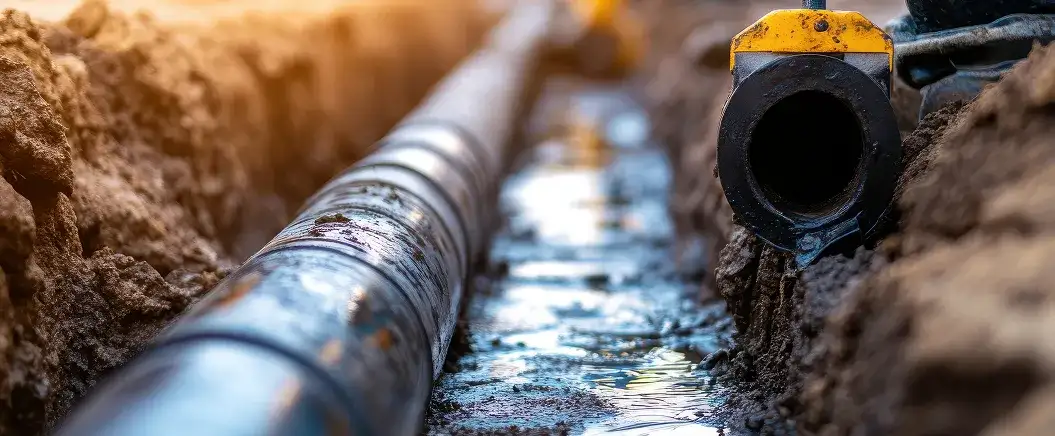
    The main water line brings water from the municipal supply or private well into the home. Because much of it is buried underground, problems may remain hidden until they become more serious.

    Common warning signs include low water pressure throughout the property, unexplained increases in water usage, damp areas in the yard, unusually muddy water, or water pooling near the foundation. In some cases, homeowners may hear water running even when every faucet and appliance is turned off.

    A sudden drop in pressure does not always mean the main line is damaged. It could be related to a faulty pressure regulator, a partially closed valve, a plumbing fixture, or a municipal supply issue. Proper diagnosis is important before excavation begins.

    Older supply lines may be made from materials that are more vulnerable to corrosion, mineral buildup, freezing, or ground movement. Tree roots, shifting soil, nearby construction, and accidental digging can also damage underground pipes.

    Understanding Waterline Replacement & Repair

    When a supply line develops a leak or becomes severely restricted, professional waterline replacement & repair may be necessary. The correct solution depends on the pipe’s material, age, location, condition, and the extent of the damage.

    A small, isolated problem may be addressed with a spot repair. This can be a practical option when the surrounding pipe remains strong and the damaged section is easy to access. However, repairing one section of an aging line may not be worthwhile if additional failures are likely.

    Full replacement may be recommended when the pipe has widespread corrosion, repeated leaks, severe scaling, or structural deterioration. Although replacement can require a larger initial investment, it may reduce ongoing repair costs and improve water pressure and reliability.

    Traditional replacement often involves trenching, removing the old pipe, installing a new line, testing the system, and restoring the landscape or hardscape. In some situations, trenchless methods may reduce digging and property disruption. These methods are not suitable for every site, so a professional assessment is necessary.

    Before approving the work, ask for a written explanation of the problem, the proposed repair method, the materials being used, the expected timeline, and the total cost.

    Why Underground Sewer and Gas Systems Matter

    Water supply lines are only one part of a property’s underground infrastructure. Sewer & gas lines also require careful installation, inspection, and maintenance because problems in either system can affect safety, sanitation, and daily comfort.

    Sewer lines carry wastewater away from the home. Blockages may develop because of grease, unsuitable flushed materials, tree roots, collapsed pipes, or aging infrastructure. Repeated backups, foul odors, gurgling toilets, and multiple slow drains can indicate a problem with the main sewer line rather than a single fixture.

    Gas lines supply fuel to appliances such as stoves, furnaces, water heaters, and dryers. These systems must be handled by qualified professionals because leaks can create serious safety risks. A rotten-egg smell, hissing sound, damaged connector, or unusual appliance behavior should be treated seriously.

    If you suspect a gas leak, leave the property immediately. Do not use electrical switches, flames, or phones inside the affected area. Contact the gas utility or emergency services from a safe location.

    The Value of Professional Inspections

    Underground plumbing problems are difficult to diagnose accurately without the right equipment. A professional may use pressure testing, electronic leak detection, sewer cameras, or other inspection tools to locate the issue before recommending repairs.

    A sewer camera can identify cracks, root intrusion, offsets, and collapsed sections. Water line testing may help determine whether pressure loss is caused by a leak or another component. For gas systems, approved testing methods can help identify unsafe conditions without relying only on visible signs.

    Inspections are especially useful before buying an older property, completing major landscaping work, or remodeling a home. They can reveal hidden problems and help homeowners plan repairs rather than reacting to emergencies.

    Maintenance Habits That Protect Your Plumbing

    A few simple habits can reduce stress on household plumbing. Avoid pouring grease and cooking oil down drains. Flush only toilet paper and human waste. Use drain screens to catch hair and debris, and repair dripping faucets before small leaks become larger ones.

    Keep records of water filter changes and professional inspections. If your home uses a water softener or filtration system, follow the recommended maintenance schedule. Neglected equipment may become less effective and can affect water quality.

    Before digging in the yard, identify the location of underground utilities. Plant large trees away from sewer routes and water lines whenever possible. Also, learn where the main water shutoff valve is located so you can act quickly during a burst pipe or major leak.

    Making a Sensible Long-Term Plan

    Plumbing maintenance is easier when it is treated as part of regular home care rather than an emergency-only responsibility. Water testing, filtration maintenance, supply-line inspections, and underground pipe evaluations can help protect both the property and the people living in it.

    The best solution is not always the biggest repair or the newest technology. It is the option that fits the actual condition of the system, the household’s needs, and the available budget. By working with qualified professionals and addressing warning signs early, homeowners can improve water quality, reduce damage, and enjoy a more dependable plumbing system.

    A little attention beneath the surface can make a noticeable difference throughout the home. Clean water, reliable supply lines, and properly maintained underground systems are easy to take for granted—but they are essential to everyday life.

  • Electrical Improvements That Make a Home Safer, Smarter, and Ready for the Future

    Electrical Improvements That Make a Home Safer, Smarter, and Ready for the Future

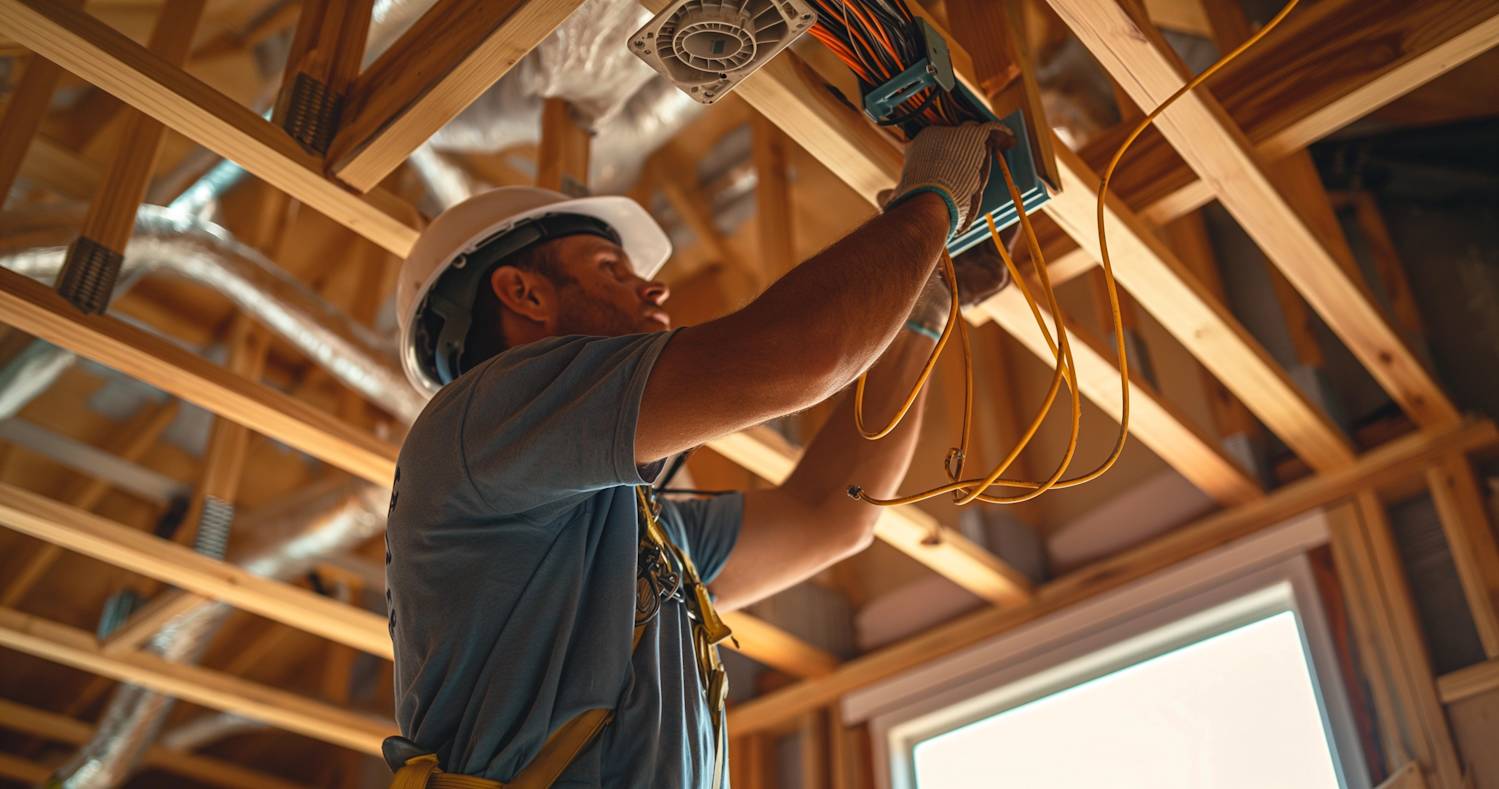
    There’s something easy to overlook when improving a home: the electrical system behind the walls. We notice a fresh coat of paint, a new kitchen, or better flooring almost immediately. Wiring, outlets, panels, and lighting? Not so much. Yet these are the things quietly supporting nearly everything we do at home.

    From charging phones before bed to running air conditioners during a hot afternoon, modern households place a much bigger demand on electrical systems than they did a few decades ago. That’s why electrical planning deserves attention during renovations, especially when you’re considering new constructions or making major changes to an older property.

    A good electrical system isn’t simply about having enough sockets. It should be safe, practical, efficient, and flexible enough to handle the technology you may add later.

    Start With Safety, Not Gadgets

    It’s tempting to begin a home electrical project by thinking about smart lights, fancy fixtures, or extra charging points. Those things are useful, sure, but safety comes first.

    Old wiring, loose connections, overloaded circuits, damaged outlets, and outdated protection devices can create serious problems. Sometimes the warning signs are obvious, such as buzzing switches, flickering lights, or outlets that feel unusually warm. Other times, there’s no visible clue at all.

    A qualified electrician can inspect the system and identify issues that aren’t easy for a homeowner to spot. This is particularly important in older homes where wiring may not have been designed for today’s electrical loads.

    Think About How You Actually Live

    One of the most common mistakes during electrical planning is placing outlets based on how a room looks rather than how people actually use it.

    Think about a typical bedroom. There might be a lamp on one side of the bed, phones charging overnight, perhaps a laptop, television, fan, or air purifier. Suddenly, one lonely wall socket doesn’t seem quite so clever.

    The same applies to kitchens. Refrigerators, microwaves, dishwashers, water purifiers, mixers, ovens, and other appliances can quickly add up. Planning circuits and outlets around real usage makes a home much more convenient.

    Walk through each room and imagine a normal day. Where will furniture sit? Where will appliances go? Where will you need lighting? Where might you want to charge something? Those simple questions can prevent plenty of extension-cord gymnastics later.

    Upgrades Should Solve Real Problems

    Electrical improvements don’t always mean replacing everything. Sometimes a targeted change is all that’s needed.

    For example, if a home frequently experiences tripped breakers because several high-power appliances are being used at once, the issue may require a closer look at circuit distribution and capacity. If lights flicker whenever a major appliance starts, that deserves investigation too.

    Well-planned system upgrades can improve reliability without turning a renovation into an unnecessarily huge project. Depending on the property’s condition, upgrades might involve improving circuit protection, adding dedicated circuits, replacing damaged components, improving grounding, or modernising an outdated electrical panel.

    The important part is diagnosis. Replacing equipment simply because it’s old isn’t always the answer; understanding why something is failing leads to better decisions.

    Don’t Forget Energy Efficiency

    Electricity costs have a way of sneaking up on a household. A few watts here and there may not seem important, but dozens of devices operating every day can make a difference.

    Energy-efficient LED lighting is an obvious starting point. LEDs generally use less electricity and last considerably longer than traditional incandescent bulbs. But efficiency goes beyond changing bulbs.

    Lighting controls, occupancy sensors, timers, efficient appliances, and sensible circuit planning can all help reduce unnecessary consumption. Even something as simple as avoiding lights that remain on in empty rooms can add up over time.

    For homeowners considering solar power, battery storage, electric vehicles, or other high-demand technologies, electrical planning becomes even more important. These additions can change how electricity is generated, stored, and consumed around the property.

    Smart Homes Need a Strong Foundation

    Smart-home technology is becoming more accessible, and it’s easy to get carried away with the possibilities. Automated lighting, smart switches, security cameras, doorbells, thermostats, and connected appliances can make daily life more convenient.

    But smart devices don’t eliminate the need for good electrical infrastructure. In fact, they can make thoughtful planning even more important.

    A smart switch still needs appropriate wiring. Connected equipment still needs reliable power. Cameras and networking equipment need suitable locations and power arrangements. If you’re renovating, thinking ahead about these requirements can save you from drilling into freshly finished walls later.

    This is where professional electrical expertise can make a noticeable difference. An experienced electrician doesn’t just install what’s requested; they can help consider load requirements, placement, safety, future expansion, and practical installation details.

    Plan for Tomorrow, Not Just Today

    Nobody knows exactly what their home will need ten years from now. Still, a little forward thinking goes a long way.

    Maybe you’ll add an electric vehicle charger. Perhaps you’ll install solar panels. You might convert a spare room into a home office, add outdoor lighting, or buy larger appliances.

    During a renovation, adding a few extra conduits, circuits, or properly positioned outlets may be relatively straightforward. Doing the same work after walls are painted and furniture is in place can be a different story.

    Future-proofing doesn’t mean spending money on every possible technology. It means leaving sensible room for change.

    Know When to Call a Professional

    Some basic electrical tasks may look simple, but electrical work isn’t an area where guessing is a good strategy. Incorrect connections, unsuitable components, or poor installation can create shock and fire hazards.

    If a project involves wiring, circuit modifications, electrical panels, grounding, high-load appliances, or significant renovations, it’s wise to involve a qualified professional. Local electrical codes and requirements also matter, and these aren’t something homeowners should casually improvise.

    A professional inspection can also provide peace of mind. Sometimes the best outcome is discovering that your existing system is perfectly adequate. Other times, you catch a problem before it becomes an expensive emergency.

    A Better Home Starts Behind the Walls

    Home improvement isn’t always about what visitors can see. Some of the most valuable improvements are hidden away, quietly making everyday life safer and easier.

    A thoughtfully planned electrical system supports everything else in the house. It keeps appliances running, provides dependable lighting, accommodates modern technology, and gives homeowners room to adapt as their needs change.

    So, before the next renovation begins, look beyond the paint colours and fixtures. Consider what’s happening behind the walls. A little planning today can prevent frustrating problems tomorrow—and make the entire home feel more comfortable, capable, and dependable.

  • What a Well-Installed Air Conditioner Can Do for Your Home

    What a Well-Installed Air Conditioner Can Do for Your Home

    There’s something wonderfully simple about walking into a cool house after spending an afternoon in the heat. You close the door, hear the quiet hum of the air conditioner, and suddenly the day feels a little easier. We don’t usually think about how that comfort happens—until the system struggles.

    A dependable cooling system isn’t just about buying an expensive unit. The equipment, installation, sizing, ductwork, airflow, and ongoing maintenance all matter. When these pieces work together, the result is a home that stays comfortable without making the air conditioner work harder than necessary.

    If you’re considering replacing an old system or installing cooling for the first time, it pays to look beyond the price tag.

    Start With the Home, Not the Equipment

    One of the most common mistakes homeowners make is choosing an air conditioner based only on the size of the unit.

    Your home’s cooling needs depend on much more than square footage. Insulation, windows, ceiling height, sunlight, ductwork, and even the home’s layout can influence how much cooling is actually required.

    That’s why a professional evaluation is useful before purchasing equipment. A technician can assess the property and determine what type and capacity of system makes sense.

    Bigger isn’t always better. An oversized unit can cycle on and off too frequently, while an undersized one may run constantly without keeping the home comfortable.

    Why Air Conditioning Installation Matters

    Buying a quality air conditioner is only the beginning. The installation itself has a huge influence on how the system performs.

    Professional air conditioning installation should involve careful equipment placement, proper electrical connections, correct refrigerant lines, drainage, airflow, and appropriate system sizing.

    It may be tempting to rush through the installation so you can start enjoying cool air immediately. But shortcuts can create headaches later. Poor connections, incorrect sizing, or restricted airflow can contribute to uneven cooling, higher energy bills, and unnecessary repairs.

    A careful installation gives the equipment a much better chance of performing the way it was designed to.

    Your Ductwork Deserves Attention Too

    Sometimes homeowners replace their air conditioner and are surprised when certain rooms still feel warmer than others.

    The equipment isn’t always to blame.

    Ductwork can develop leaks, disconnected sections, poor insulation, or airflow restrictions. Conditioned air may escape before it reaches the rooms where it’s needed, leaving the system to run longer without delivering consistent comfort.

    If you’re replacing an AC system, having the ductwork inspected is a smart move. Fixing obvious leaks or airflow problems can help the new equipment perform more effectively.

    There’s not much point in paying for efficient cooling if a portion of that cooling disappears inside the walls.

    What Makes a Good Air Conditioning System?

    A reliable air conditioning system should do more than produce cold air.

    It should maintain reasonably consistent temperatures, operate efficiently, manage indoor humidity, and run without excessive noise. It should also be dependable enough that you’re not constantly wondering when the next breakdown will happen.

    Installation quality plays a major role here. So does maintenance.

    Simple habits such as replacing filters, keeping outdoor equipment clear of debris, and paying attention to unusual changes can help support normal operation.

    No system lasts forever, of course. But proper care can make a noticeable difference in how well it performs over time.

    Think About Long-Term Energy Costs

    The price you pay for an air conditioner is only part of the investment.

    Every month, the system adds to your electricity consumption. A unit that operates inefficiently can cost considerably more over its lifetime, even if its initial purchase price was attractive.

    When comparing systems, look at efficiency ratings, expected lifespan, maintenance requirements, and installation costs—not just the sticker price.

    A slightly more expensive system may make sense if it offers better efficiency and dependable performance for years.

    Still, don’t assume the highest efficiency rating automatically means the best choice. The equipment needs to be correctly sized and installed for your particular home.

    Installation Isn’t the Finish Line

    Once the new system is installed, it’s easy to forget about it.

    After all, that’s what you wanted—to have an AC system that works quietly in the background.

    But even new equipment needs attention.

    Filters should be checked regularly and replaced according to the manufacturer’s recommendations. Outdoor units should remain free from leaves, grass, and other debris. Professional inspections can help identify developing issues before they turn into larger repairs.

    Think of maintenance as protecting the money you’ve already spent.

    Choosing the Right HVAC Company

    The contractor you choose can be just as important as the equipment itself.

    A good HVAC company should explain your options clearly, answer questions without making you feel rushed, and provide information about the installation process.

    For homeowners considering River Valley Air Conditioning, it’s worth looking at the company’s services, experience, qualifications, and approach to installation before making a final decision. A trustworthy contractor should be willing to discuss sizing, equipment choices, maintenance, and expected operating costs.

    Don’t be afraid to ask questions. If something doesn’t make sense, ask for an explanation in plain language.

    You are the one who will live with the system after the technicians leave.

    Don’t Ignore Indoor Air Quality

    Air conditioning affects more than temperature.

    Filters and HVAC components can influence the quality of the air circulating through your home. If filters are neglected or the system isn’t maintained properly, dust and other particles can accumulate.

    Humidity matters, too. A home that’s too humid may feel uncomfortable even when the thermostat shows a reasonable temperature.

    Depending on the property, homeowners may benefit from better filtration, humidity control, ventilation improvements, or ductwork repairs.

    The right solution depends on the home’s actual needs. There’s no reason to buy every HVAC accessory simply because someone recommends it.

    Watch for Early Warning Signs

    Even a well-installed system can eventually develop problems.

    Weak airflow, strange noises, unusual odors, frequent cycling, inconsistent temperatures, and unexplained increases in energy costs are all worth noticing.

    They don’t necessarily mean the system is about to fail. Sometimes the cause is surprisingly simple.

    A dirty filter or blocked airflow can create symptoms that look much more serious than they really are. That’s why diagnosis matters before spending money on major repairs.

    Preparing for the Future

    If your current air conditioner is several years old and repairs are becoming more frequent, don’t wait until it completely fails to think about replacement.

    Planning ahead gives you time to compare equipment, contractors, warranties, and installation costs. You’re making a decision calmly instead of standing in a hot room wondering how quickly someone can get your AC running again.

    That extra time can be valuable.

    Comfortable Cooling Starts With Smart Decisions

    A dependable air conditioner doesn’t happen by accident. It comes from choosing suitable equipment, installing it correctly, maintaining it regularly, and paying attention when something changes.

    The goal isn’t simply to make your home cold. It’s to create steady, efficient comfort without putting unnecessary strain on the equipment.

    Take the time to evaluate your home, ask sensible questions, and choose professionals who care about doing the job properly. When summer arrives and the heat starts building outside, you’ll be glad you did.

    After all, the best HVAC system is the one you barely have to think about—because it’s quietly doing its job, day after day.

  • Clean Water at Home: Why the Right Treatment Approach Matters

    Clean Water at Home: Why the Right Treatment Approach Matters

    Water is one of those everyday things we tend to take for granted. Turn on the faucet, fill a glass, wash the vegetables, take a shower, and move on. But when the water starts tasting strange, leaving spots on dishes, or making your skin feel unusually dry, you suddenly notice just how much your household depends on it.

    The truth is, water quality can vary quite a bit from one home to another. Even water that looks perfectly clear may contain minerals, sediment, chlorine, or other substances that affect taste, plumbing, and appliances. Finding the right treatment approach isn’t about chasing perfectly “pure” water. It’s about understanding what your water needs and choosing a practical solution.

    Start by Understanding Your Water

    Before buying any treatment equipment, it makes sense to find out what you’re actually dealing with. A water test can reveal important details about hardness, pH, dissolved solids, sediment, and other characteristics.

    This is especially useful for homes with private wells. Groundwater conditions can change with seasons, rainfall, nearby land use, or other environmental factors. Municipal water supplies are generally treated before reaching homes, but even then, taste and mineral concerns can vary.

    Testing gives you something much better than guesswork. Instead of choosing a filter because it has impressive packaging or because a friend swears by it, you can select treatment based on actual water conditions.

    Why Clean Water Is About More Than Appearance

    Clear water isn’t necessarily the whole story. Some substances dissolved in water have no obvious color or smell, which means you can’t always judge quality by looking at your glass.

    A sensible treatment plan focuses on the specific concerns identified through testing. For some households, reducing sediment may be the priority. Others may mainly be dealing with hard water or an unpleasant chlorine taste.

    Good clean safe water solutions are therefore not one-size-fits-all. The best approach depends on where the water comes from, how it is used, and what the testing shows.

    And sometimes the right answer is surprisingly simple. Not every home needs an elaborate collection of filters and treatment equipment.

    Hard Water Can Create Everyday Frustrations

    Hard water is one of the most common concerns homeowners encounter. It contains elevated amounts of minerals such as calcium and magnesium, which can leave deposits on faucets, shower doors, sinks, and appliances.

    If you’ve ever cleaned a shiny faucet only to find a white ring around it a few days later, you know how annoying mineral deposits can be.

    Hard water can also affect soap performance. Some people notice that their skin feels dry after bathing or that laundry doesn’t feel as soft as expected. Inside water heaters and other appliances, mineral scale can gradually accumulate and affect performance.

    A properly sized water softener can help reduce the minerals responsible for hardness and make some household chores a little easier.

    Taste Matters More Than People Think

    Water quality isn’t only about technical measurements. Taste matters, too.

    If tap water has a strong chlorine flavor or an unusual mineral taste, people may avoid drinking it. Instead, they might buy bottled beverages or keep forgetting to drink enough throughout the day.

    Improving taste can make a surprisingly noticeable difference. A properly selected filtration system can reduce certain substances responsible for unpleasant tastes and odors, making great-tasting water easier to enjoy at home.

    It also changes the experience of cooking. Coffee, tea, soups, rice, and other foods all contain water. When the water tastes better, the difference can sometimes show up in the final dish.

    Choosing Filtration for a Specific Purpose

    There are several types of water treatment technology, and each one has its own job.

    Sediment filters can reduce particles such as sand and rust. Activated carbon filtration is commonly used to improve taste and reduce chlorine. Water softeners address hardness, while reverse osmosis systems can reduce many dissolved substances.

    Some homes may need only one type of treatment. Others might benefit from several stages working together.

    The important thing is not to assume that more equipment automatically means better water. Every additional component can bring extra maintenance, replacement costs, and installation requirements.

    Simple is often better when simple does the job.

    Whole-Home Treatment vs. Drinking Water Treatment

    Another decision homeowners face is whether they need treatment throughout the house or only at specific faucets.

    Whole-home systems treat water as it enters the property, depending on the technology and installation. This can be useful when the concern affects showers, laundry, appliances, and plumbing—not just drinking water.

    Point-of-use systems, on the other hand, focus on a particular location, such as the kitchen sink. They can be a practical choice when drinking-water taste or specific contaminants are the main concern.

    Neither approach is automatically better. It comes down to what you’re trying to accomplish.

    Maintenance Shouldn’t Be an Afterthought

    Even a high-quality treatment system needs attention. Filters don’t last forever, softeners require periodic care, and reverse osmosis membranes eventually need replacement.

    Ignoring maintenance can gradually reduce performance. Water pressure may drop, taste may change, or the system may simply stop working as effectively as it once did.

    A simple reminder on your phone can make a difference. Keep track of filter replacement dates and follow the manufacturer’s recommendations. If something suddenly changes, investigate rather than waiting for the problem to become obvious.

    A little maintenance is usually easier than an emergency repair.

    Professional Experience Can Make the Choice Easier

    Water treatment can become confusing quickly. There are countless systems, technologies, capacities, and marketing claims to sort through.

    This is where water treatment expertise can be genuinely useful. A knowledgeable professional can interpret water-test results, consider household demand, explain the differences between treatment methods, and recommend equipment that actually fits the property.

    That doesn’t mean homeowners should simply accept the first recommendation they hear. Ask questions. Find out why a particular system is being suggested and what ongoing maintenance it requires.

    A good provider should be comfortable explaining the reasoning in plain language.

    Better Water Starts With a Practical Plan

    Improving water quality doesn’t have to mean turning your home into a laboratory. Start small and stay practical.

    Test the water. Identify the problems that actually matter. Consider how your family uses water, what appliances need protection, and whether the issue affects the whole property or just drinking water.

    Then choose treatment based on those facts.

    The best water system is rarely the most complicated one. It’s the one that quietly solves the problems you have, remains manageable to maintain, and gives you confidence every time you turn on the tap.

    After all, good water treatment isn’t really about equipment. It’s about making everyday life a little easier—and sometimes, that’s the most valuable improvement a home can have.

  • What TDS and Organics Can Tell You About Commercial Ice Quality

    What TDS and Organics Can Tell You About Commercial Ice Quality

    Ice looks simple, but the water behind it isn’t always simple at all. In a busy restaurant, café, hotel, or catering business, an ice machine can run for hours every day, turning large quantities of incoming water into something customers consume directly. That makes water quality more important than many business owners realize.

    When ice starts looking cloudy, tasting unusual, or appearing different from normal, the machine itself isn’t always the culprit. Water chemistry, filtration, cleaning, and freezing conditions can all play a part. Understanding these factors makes it much easier to decide when treatment is needed and when a machine simply needs routine maintenance.

    Why the Incoming Water Matters

    Every ice cube begins with the water entering the machine. If that water contains dissolved minerals, organic compounds, sediment, disinfectants, or other substances, some of those characteristics can influence the finished ice.

    Municipal water is generally treated before reaching a property, but treatment doesn’t mean every source has identical chemistry. Local geology, distribution pipes, seasonal changes, and building plumbing can all influence what reaches the ice machine.

    For commercial operators, the sensible approach is to understand the water before assuming a particular filtration system is necessary.

    Understanding TDS and Organics

    Two areas that can be useful when evaluating water are tds and organics. TDS, or total dissolved solids, refers broadly to dissolved substances present in water. These may include minerals and salts, among other dissolved materials.

    Organic compounds are a different category and can come from various natural or environmental sources. Their presence and significance depend heavily on the water source and specific testing results.

    A TDS reading by itself doesn’t tell you exactly what substances are present. That’s an important point. A high reading doesn’t automatically mean the water is unsafe, nor does a low reading guarantee that every water-quality concern has disappeared.

    Testing different characteristics together gives a much more useful picture.

    How Dissolved Substances Can Affect Ice

    When water freezes, dissolved substances don’t necessarily disappear. Their behavior during freezing can influence the appearance and characteristics of the resulting ice.

    Some commercial ice machines are designed to manage water quality through specific freezing and harvesting processes. Still, unusually high mineral content or other water characteristics may contribute to deposits, taste concerns, or changes in appearance.

    This is one reason filtration can be valuable. The goal isn’t to remove every dissolved substance simply because it exists. Instead, businesses should focus on characteristics that actually affect their equipment or finished product.

    Freezing Is More Important Than It Looks

    The freezing process itself can influence how ice looks. As water freezes, dissolved substances and gases may behave differently within the forming ice. Air bubbles, impurities, and the speed of freezing can contribute to differences in clarity.

    That’s why two ice machines using water from similar sources may not always produce identical-looking cubes.

    Cloudy ice isn’t automatically evidence of contaminated or unsafe water. It can result from the way the machine freezes water, the design of the equipment, or normal differences in ice formation.

    If appearance changes suddenly, however, it makes sense to investigate both the machine and the water supply rather than immediately blaming one or the other.

    What Organics Can Mean for Taste and Odor

    Certain organic compounds can influence taste or odor even when they aren’t visible. For businesses that serve beverages, this can become noticeable because ice comes into direct contact with drinks.

    A customer may not know why a beverage tastes slightly different. They simply know something seems off.

    Carbon filtration is commonly considered for certain taste and odor concerns because it can reduce some organic compounds and other substances. But filtration performance varies, so businesses should select equipment based on actual water conditions and manufacturer specifications.

    Testing provides the information needed to make that decision sensibly.

    Why Clarity Isn’t the Whole Story

    When people look at ice, they often focus immediately on appearance. Clarity can certainly be useful as an observation, but it doesn’t tell the entire story about water quality.

    Clear water can still contain dissolved substances that aren’t visible. Likewise, cloudy ice isn’t necessarily unsafe. The appearance may be related to freezing patterns, trapped air, minerals, or machine operation.

    For that reason, visual inspection should be treated as one clue rather than a complete water-quality test.

    Businesses should consider taste, odor, machine performance, maintenance history, and laboratory or professional water-testing results together.

    Filtration Should Match the Actual Problem

    There is no single filter that solves every commercial water issue. A sediment filter is designed for suspended particles, while carbon filtration may address certain chlorine, taste, odor, and organic concerns. Other treatment technologies may be more appropriate for hardness or specific dissolved substances.

    Choosing equipment based only on a general claim like “improves water quality” isn’t enough.

    The filter should also be sized for the ice machine’s flow rate and daily water demand. A system that can’t handle the required volume may become a bottleneck, while an unnecessarily large system can increase purchase and maintenance costs.

    Maintenance Still Matters

    Even excellent filtration cannot replace proper ice machine maintenance. Commercial machines should be cleaned and sanitized according to manufacturer recommendations and applicable food-safety requirements.

    Filters also need regular replacement. As a filter reaches its capacity, its performance can change, and delaying replacement defeats much of the reason for installing filtration in the first place.

    Keeping a simple record of filter changes, cleaning dates, and unusual observations can make maintenance much easier for staff.

    Testing Before Making a Major Investment

    Water testing can provide a useful starting point before purchasing treatment equipment. Depending on the situation, testing may examine TDS, hardness, pH, disinfectants, sediment, organic compounds, and other characteristics.

    The purpose isn’t to make the water “perfect.” It’s to understand what is actually present and determine whether treatment is worthwhile.

    For a busy commercial operation, that can prevent unnecessary spending and help identify the equipment that genuinely fits the application.

    A Practical Approach to Better Ice

    Good commercial ice production is really a combination of several things: suitable water, appropriate filtration, properly maintained equipment, and consistent cleaning.

    TDS and organic content can provide useful information, while freezing conditions help explain differences in ice appearance. Visual clarity can offer clues, but it shouldn’t be treated as the final measure of water quality.

    The smartest approach is fairly straightforward. Test when there’s a reason to investigate, understand the results, choose treatment based on actual needs, and maintain the ice machine consistently.

    Ice may be a small part of a customer’s drink, but in a busy business, small details matter. Clean-tasting, dependable ice is one of those details that should quietly work in the background — without becoming another problem for the staff to worry about.

  • When It’s Time to Upgrade Your HVAC System, the Right Choice Makes All the Difference

    When It’s Time to Upgrade Your HVAC System, the Right Choice Makes All the Difference

    There’s a funny thing about home comfort—you rarely think about it until something goes wrong. On a freezing winter morning or during the hottest week of summer, the last thing anyone wants is an air conditioner that blows warm air or a furnace that refuses to start. It’s in those moments that we realize just how much we rely on a dependable HVAC system.

    Still, replacing a heating or cooling system isn’t a decision most homeowners make often. It’s a significant investment, and naturally, people want to get it right. Beyond simply restoring comfort, a modern HVAC upgrade can improve energy use, reduce monthly utility bills, and make everyday life noticeably more pleasant. The key is understanding when it’s time to replace an aging system and what to look for before making that decision.

    Your HVAC System Tells a Story Over Time

    Every heating and cooling system has a lifespan. While regular maintenance helps extend that life, no equipment lasts forever. Eventually, parts wear out, efficiency declines, and repairs become more frequent.

    You might notice uneven temperatures from room to room. Maybe the system runs constantly but never seems to reach the thermostat setting. Some homeowners hear new noises—rattling, humming, or banging—that weren’t there before. Others simply see their utility bills climbing month after month with no clear explanation.

    These aren’t always emergencies, but they often signal that your HVAC equipment is working much harder than it should.

    Repairs Aren’t Always the Best Investment

    It’s understandable to want to repair an older system. After all, replacing major equipment can feel expensive at first glance.

    But there comes a point when frequent service calls start costing more than they’re worth. If your furnace or air conditioner needs repeated repairs every season, you’re not really solving the problem—you’re just delaying a larger decision.

    That’s why many homeowners eventually choose hvac installation and replacement  instead of continuing to patch aging equipment. A professionally installed system offers greater reliability and eliminates the uncertainty that comes with older units that could fail during extreme weather.

    Sometimes spending once is less expensive than spending repeatedly.

    Comfort Should Feel Consistent

    A well-functioning HVAC system doesn’t make you think about it. It quietly keeps every room comfortable while maintaining healthy airflow throughout the home.

    If certain bedrooms stay warmer than others in summer or colder during winter, the issue may not simply be the thermostat. Older systems often struggle to distribute air evenly as components wear down or as household needs change.

    Modern equipment is designed with better airflow management, improved humidity control, and more consistent temperature regulation. Those improvements may seem subtle on paper, but they become very noticeable in daily life.

    You stop adjusting the thermostat every hour. You stop dragging portable heaters from room to room. Your home simply feels balanced.

    Efficiency Matters More Than Ever

    Energy prices rarely stay the same, and homeowners are paying closer attention to monthly operating costs than ever before.

    Older HVAC units often consume far more electricity or fuel than necessary simply because technology has improved dramatically over the past decade. Today’s energy efficient systems  use advanced compressors, variable-speed motors, and smarter controls that reduce wasted energy without sacrificing comfort.

    That doesn’t just lower utility bills—it also reduces unnecessary wear on the equipment itself.

    Over time, those monthly savings can make a meaningful difference, especially in regions where heating or air conditioning runs for much of the year.

    Installation Quality Is Just as Important as the Equipment

    Many people spend weeks comparing HVAC brands but overlook something equally important—the installation.

    Even the highest-rated equipment won’t perform properly if it’s incorrectly sized or poorly installed. Oversized systems cycle on and off too frequently, while undersized units struggle to maintain comfortable temperatures.

    Professional installers evaluate square footage, insulation, window placement, ductwork, and airflow before recommending equipment. Those details matter far more than many homeowners realize.

    The goal isn’t simply installing new equipment. It’s creating a system that works efficiently with the home itself.

    Technology Has Changed the Way Homes Stay Comfortable

    Modern HVAC equipment offers features that weren’t common just a few years ago.

    Smart thermostats learn household routines and automatically adjust temperatures for comfort and savings. Variable-speed fans operate quietly while maintaining consistent airflow. Improved filtration systems help reduce dust and airborne particles circulating through the home.

    Some systems even allow homeowners to monitor performance remotely using mobile apps.

    These upgrades aren’t about luxury—they’re about making everyday comfort easier to manage while reducing unnecessary energy consumption.

    Thinking Beyond Today’s Weather

    When replacing an HVAC system, it’s easy to focus only on immediate needs. Maybe the air conditioner stopped working during a heatwave, or the furnace failed unexpectedly.

    But this decision affects your home for the next 15 to 20 years.

    A properly selected system supports reliable heating and cooling  through changing seasons while adapting to your family’s daily routine. Whether you’re working from home, welcoming a growing family, or planning to stay in the house for many years, choosing equipment with long-term performance in mind usually pays off.

    It’s one of those purchases where thinking ahead often leads to greater satisfaction later.

    Maintenance Still Plays an Important Role

    Even the newest HVAC system benefits from regular maintenance.

    Changing air filters, cleaning outdoor units, inspecting electrical components, and scheduling annual tune-ups help keep equipment running efficiently. Preventive maintenance also allows technicians to catch small issues before they develop into larger, more expensive problems.

    Many homeowners find that routine service not only extends equipment life but also helps maintain peak efficiency year after year.

    It’s a relatively small investment that protects a much larger one.

    Making a Comfortable Home Even Better

    Comfort isn’t something most people actively notice until it’s missing. Yet a dependable HVAC system quietly influences nearly every part of daily life—from sleeping comfortably at night to enjoying family dinners without worrying about indoor temperatures.

    Replacing an aging system isn’t simply about installing new equipment. It’s about creating a healthier, quieter, and more efficient living environment that serves your household for years to come.

    When homeowners take the time to evaluate their current system, consider long-term operating costs, and work with experienced professionals, they usually discover that upgrading isn’t just another home improvement project. It’s an investment in everyday comfort.

    After all, a house should always feel like the place where you can relax, recharge, and escape the weather outside. A thoughtfully chosen HVAC system helps make sure it stays that way, season after season.

  • Choosing the Right Water Treatment System for Your Home Starts With Understanding Your Water

    Choosing the Right Water Treatment System for Your Home Starts With Understanding Your Water

    If you’ve ever noticed chalky spots on your glasses, a strange taste in your drinking water, or dry skin after every shower, you’ve probably wondered whether your home’s water could be better. It’s a common thought, and honestly, it’s often the first sign that homeowners begin paying closer attention to the water flowing through their pipes.

    The challenge is that there isn’t a single solution for every household.

    Water quality varies from one home to the next, even between neighbours. Groundwater conditions, municipal treatment methods, plumbing materials, and natural minerals all influence what eventually comes out of your tap. That’s why choosing the right treatment system isn’t about buying the most expensive equipment—it’s about matching the solution to your home’s actual needs.

    Once you understand what’s in your water, making the right decision becomes much simpler.

    Every Water Source Is Different

    Water has a remarkable journey before it reaches your faucet.

    It moves through underground rock, soil, reservoirs, treatment facilities, miles of underground pipes, and finally your home’s plumbing. Along the way, it naturally collects minerals and may also pick up disinfectants or other substances used to keep public water supplies safe.

    Some homes struggle with hard water, while others deal with chlorine taste, sediment, sulfur odours, or elevated mineral content. Private wells often present different challenges than municipal systems.

    That’s why professional water testing should always be the starting point before selecting any filtration equipment.

    Knowing what’s actually in the water eliminates unnecessary guesswork.

    Hard Water Creates Everyday Frustrations

    Hard water isn’t usually dangerous, but it certainly has a way of making itself known.

    White mineral deposits collect around faucets. Soap refuses to lather properly. Shower doors become difficult to clean, and household appliances slowly develop scale inside heating elements and plumbing connections.

    For homes dealing with these issues, water softeners often provide one of the most noticeable improvements.

    By reducing hardness minerals like calcium and magnesium, softeners help protect plumbing, improve soap performance, reduce spotting on dishes, and extend the life of water-using appliances.

    Many homeowners notice the difference within just a few days.

    Better Drinking Water Starts at the Kitchen Sink

    While whole-house treatment focuses on protecting plumbing and appliances, drinking water deserves its own attention.

    Many families choose reverse osmosis drinking water systems because they provide highly purified water for cooking, drinking, coffee, tea, and ice makers.

    Reverse osmosis works by forcing water through an extremely fine membrane that removes a wide range of dissolved substances, producing crisp, clean-tasting water that many homeowners immediately prefer over untreated tap water.

    It’s a popular choice for people who want dedicated drinking water without installing filtration throughout the entire home.

    Sometimes improving one faucet makes the biggest everyday difference.

    Not Every Home Needs the Same Equipment

    One of the most common mistakes homeowners make is assuming every water problem requires the same solution.

    In reality, treatment depends entirely on what’s present in the water.

    Some households only need sediment filtration to remove visible particles. Others require carbon filters to improve taste and odour. Homes supplied by private wells may benefit from iron removal, sulfur treatment, ultraviolet disinfection, or combinations of several technologies.

    That’s where advanced filtration systems become valuable.

    Rather than relying on a single treatment method, these systems combine multiple filtration stages to address several water quality concerns at the same time.

    The result is a solution built around your home’s unique water conditions instead of a generic approach.

    Professional Testing Saves Money

    Buying filtration equipment without testing the water first can become surprisingly expensive.

    A homeowner dealing with hard water may accidentally purchase a drinking water filter that does little to solve mineral buildup. Someone concerned about chlorine might invest in a water softener that addresses an entirely different issue.

    Professional water analysis identifies hardness, dissolved minerals, sediment, bacteria, pH levels, and other important characteristics before equipment recommendations are made.

    That information helps homeowners spend money where it actually matters instead of replacing filters that were never designed to solve the original problem.

    Good decisions begin with good information.

    Installation Matters More Than Many People Expect

    Even excellent equipment depends on proper installation.

    Correct pipe sizing, balanced water pressure, secure plumbing connections, and accessible maintenance areas all contribute to long-term performance.

    Poor installation can reduce efficiency, create pressure problems, or make future servicing unnecessarily complicated.

    Experienced installers understand how to integrate treatment equipment with existing plumbing while ensuring the system remains easy to maintain for years to come.

    Quality equipment deserves quality installation.

    Maintenance Keeps Everything Working

    Every water treatment system requires some level of maintenance.

    Filters eventually become saturated. Softener salt needs replenishing. Reverse osmosis membranes wear over time, and periodic inspections help identify small issues before they become expensive repairs.

    Fortunately, most maintenance is straightforward when performed on schedule.

    Replacing components before performance declines helps maintain water quality while extending equipment lifespan.

    A little routine care goes a surprisingly long way.

    Better Water Improves More Than Taste

    People often focus on drinking water when considering filtration, but the benefits extend throughout the home.

    Cleaner water helps protect water heaters, washing machines, dishwashers, coffee makers, and plumbing fixtures from unnecessary mineral buildup. Soap performs better, dishes dry with fewer spots, and everyday cleaning often becomes noticeably easier.

    Many homeowners even notice improvements in how their skin and hair feel after bathing once hardness minerals are reduced.

    It’s one of those home upgrades whose value becomes clearer over time.

    Finding the Right Balance

    Not every household requires a complex filtration setup.

    Some homes benefit from a simple drinking water system under the kitchen sink. Others need whole-house treatment combined with specialized filtration for specific water quality concerns.

    The goal isn’t buying the biggest or most expensive system available.

    It’s choosing equipment that matches your water, your home, and the way your family actually uses water every day.

    That thoughtful approach usually delivers better performance while keeping long-term maintenance simple.

    Clean Water Is an Investment in Everyday Living

    Water touches nearly every part of daily life, from the first cup of coffee in the morning to the last load of laundry before bed. Because it’s such a constant part of our routines, even small improvements in water quality can make a surprisingly big difference over time.

    Whether you’re dealing with hard water, unpleasant tastes, mineral buildup, or simply want greater confidence in your drinking water, understanding your home’s water is the first step toward finding the right solution.

    When professional testing, quality equipment, proper installation, and routine maintenance all come together, the result is more than just cleaner water. It’s a home that feels more comfortable, appliances that last longer, and the peace of mind that comes from knowing every drop flowing through your plumbing is being treated exactly the way it should be.

  • Why Investing in a UV System for Well Water Can Transform Your Home Life

    Why Investing in a UV System for Well Water Can Transform Your Home Life

    There’s something almost magical about turning on a tap and having crystal-clear, safe water flow out effortlessly. We rarely think about it until there’s a problem—strange tastes, cloudy water, or worse, concerns about contamination. For those relying on well water, these worries are very real. Well water can be an excellent, natural resource, but it’s not without its challenges. Contaminants, bacteria, and other microorganisms can lurk in places you can’t see. That’s why a uv system for well water isn’t just a luxury—it’s a practical, health-conscious investment.

    It’s funny, really, how water, something so essential, is often neglected until it becomes a noticeable issue. Suddenly, every sip, every shower, every laundry load makes you think twice about what’s flowing into your home. And the solutions today are smarter and more eco-friendly than ever before.

    Understanding the Basics: Why Well Water Needs Extra Care

    Well water is drawn straight from underground aquifers, which sounds pristine—but “natural” doesn’t always mean “safe.” Depending on your location, wells can carry bacteria, viruses, and other microorganisms. Seasonal runoff, local wildlife, and even old pipes can introduce risks that municipal water systems are designed to handle.

    A well water UV system uses ultraviolet light to disinfect the water, rendering harmful microorganisms inactive. Unlike chemical treatments, it doesn’t change the taste, smell, or color of your water. Instead, it acts like an invisible shield, silently safeguarding your home’s water supply. The peace of mind that comes with this level of protection is something families, especially those with kids or immunocompromised members, find invaluable.

    How a UV System Works

    If you’re curious about the mechanics, it’s surprisingly straightforward. Water passes through a chamber where a UV lamp emits light at a specific wavelength. This light penetrates microorganisms’ cells, disrupting their DNA so they can’t reproduce. It’s not just filtering water—it’s neutralizing potential pathogens before they even reach your glass.

    Unlike filters that trap particles or chemical treatments that alter water chemistry, UV systems are non-invasive. They preserve the natural composition of your water while providing an extra layer of security. And, unlike some other treatment methods, UV systems are virtually maintenance-free—just occasional bulb replacements and cleaning to keep it running optimally.

    Real-Life Benefits Beyond Safety

    Of course, safety is the primary concern, but there are other perks that make a uv system for well water worth considering. Water treated with UV tends to maintain its natural taste and clarity, so coffee, tea, and cooking come out better. Dishes sparkle, laundry feels softer, and showers are more pleasant without the faint chemical taste or odor that can accompany chlorine or other disinfectants.

    There’s also a psychological comfort. Knowing your water is treated continuously, silently, and effectively removes a layer of anxiety from daily life. It’s subtle, but it changes the way you feel about a basic, everyday necessity. Something as simple as filling a glass of water becomes a small act of reassurance rather than a potential gamble.

    Comparing Treatment Options

    Many well owners wonder if UV treatment is necessary, or if other methods—like chemical disinfection or traditional filtration—are enough. The answer often depends on your water’s specific qualities. Sediment filters are great for particles but won’t kill bacteria. Chemical treatments can be effective but may leave an aftertaste or require ongoing monitoring.

    UV systems complement these approaches beautifully. They’re not necessarily a replacement for sediment or carbon filters but work alongside them to provide comprehensive protection. For instance, pairing a well water uv filtration system with a pre-filter ensures both particle removal and pathogen deactivation, giving you clean, safe water from every faucet.

    Maintenance and Longevity

    One of the biggest advantages of a UV system is simplicity. Unlike some high-tech water systems with complex maintenance schedules, UV units are straightforward. The UV lamp has a rated lifespan—usually around 9,000 to 12,000 hours of operation—after which it should be replaced. Periodic cleaning of the quartz sleeve is all that’s required to maintain peak performance.

    This minimal maintenance is ideal for busy households. There’s no mixing chemicals, no complicated monitoring, and no frequent replacements of entire systems. Once installed, a UV system tends to be a “set it and mostly forget it” kind of upgrade—reliable, effective, and unobtrusive.

    Environmental Considerations

    For environmentally conscious homeowners, UV systems are especially appealing. Unlike chemical treatments that can generate waste or require transport and storage, UV uses electricity and a long-lasting lamp. It’s a low-impact solution that reduces dependency on bottled water, lowering plastic waste and your household’s overall environmental footprint.

    When paired with efficient pre-filtration, you also avoid unnecessary water waste, which is a problem with some other water softening or treatment systems. Essentially, it’s a smart, sustainable solution for those who want clean water without compromise.

    Local Considerations and Water Testing

    Every well is different, and water quality can vary even from neighboring wells. That’s why testing is critical before choosing any treatment system. A professional water test identifies bacteria, viruses, sediment levels, and chemical contaminants. From there, you can design a system tailored to your home’s needs, whether that’s UV treatment, pre-filters, or a combination of methods.

  • When the Kitchen Gets Smoky: Why Range Hood Repairs Matter More Than You Think

    When the Kitchen Gets Smoky: Why Range Hood Repairs Matter More Than You Think

    There’s something oddly comforting about cooking at home — the clatter of pots, the fragrance of garlic sizzling in butter, or the hiss of onions hitting hot oil. But here’s the thing nobody loves: smoke that refuses to leave, greasy film building on cabinets, or that faint burnt smell clinging to clothes long after dinner’s done. More often than not, the culprit is your range hood quietly giving up on its job. And it’s one of those appliances that you don’t think about… until it stops working.

    I’ve learned the hard way that ignoring a noisy or sluggish hood fan is like ignoring a leaky faucet. The longer you leave it, the worse it gets. And trust me, you don’t want to realize mid-recipe that your kitchen feels like a smoky bar from the ’90s.


    Spotting the Early Warning Signs

    Like any appliance, range hoods give subtle hints before they break down completely. A humming noise turning into a loud rattle. A fan that spins but doesn’t seem to pull much air. Even lights flickering or failing to switch on. All these little quirks might not stop you from cooking today, but left unchecked, they snowball into bigger, more expensive repairs.

    That’s where a quick search for range hood repair near me can save you from a headache. Most technicians will tell you the same thing: catching issues early means you’ll pay less, your kitchen stays safer, and your appliance lasts years longer. It’s not glamorous advice, but it’s the kind that keeps your home running smoothly.


    Why Restaurants Take It Deadly Seriously

    At home, a faulty vent might mean a smoky kitchen. But in a restaurant, it can mean fire hazards, health code violations, or even forced closures. Commercial kitchens pump out massive amounts of heat, grease, and smoke every single day. If their vent hoods don’t work properly, it’s not just uncomfortable — it’s dangerous.

    That’s why commercial vent hood repair isn’t optional. For chefs, owners, and staff, a hood isn’t just a fan; it’s part of the safety system. It clears grease particles from the air, keeps cooking temperatures tolerable, and ensures diners never get a whiff of burnt oil instead of their pasta Alfredo. A broken hood in a busy kitchen can turn into thousands of dollars lost in downtime, not to mention insurance nightmares if something catches fire.


    The Hidden Hero: Your Vent Hood Motor

    Most people think of the range hood as a cover with a light. But tucked inside, the motor is the muscle that pulls every bit of smoke and steam up and out. If that motor falters, everything else struggles too. Suddenly, even on “high,” the fan feels weak, and you’re left wondering why your kitchen smells like last night’s fish fry the next morning.

    This is why timely vent hood motor repair matters. Replacing or fixing a motor before it completely dies keeps airflow strong and your kitchen livable. Technicians often compare it to fixing a car engine — without the motor, the whole machine just sits there, looking shiny but doing nothing useful.


    The DIY Temptation (and Why to Resist It)

    I get it. Watching a five-minute YouTube video makes it seem like anyone with a screwdriver can fix a hood. And for small things — like replacing a light bulb or wiping grease from filters — that’s true. But motors, wiring, and fan assemblies? That’s where the risks creep in.

    Messing around with electrical components isn’t just risky for the hood; it’s risky for you. A poorly reassembled vent can mean sparks, electrical shorts, or worse, fire. Professionals bring not only the right tools but also the training to spot problems you might overlook. Sometimes what sounds like a motor issue is actually faulty wiring or a failing capacitor. Guessing wrong can cost more in the long run.


    How to Keep Your Hood in Top Shape

    Prevention is always cheaper than repairs, and range hoods aren’t any different. A few simple habits stretch their lifespan:

    • Clean the filters regularly. Grease buildup not only blocks airflow but also becomes a fire hazard.
    • Wipe down the hood surface. Dust mixed with oil makes a sticky mess that wears out parts faster.
    • Listen for changes. A new rattle or hum is your hood whispering, “Help me.”
    • Schedule maintenance. Just like HVAC or plumbing, periodic check-ups save money over time.

    Think of it like dental care. Skipping cleanings won’t hurt today, but down the road, you’ll pay for the root canal.


    Choosing the Right Technician

    If you’re reading this because your hood is already acting up, the big question is: who do you call? Look for a repair service with experience in both residential and commercial systems. That’s usually a good sign they know their stuff. Check reviews for how quickly they respond, whether they explain things clearly, and if they use genuine replacement parts.

    Also, don’t be afraid to ask for quotes up front. Reputable repair services won’t shy away from giving you an estimate. Sure, final costs can shift depending on what’s wrong, but transparency is key.


    Why Repairs Beat Replacement (Most of the Time)

    A lot of people assume that when appliances act up, replacing them is the only solution. But range hoods are surprisingly resilient. A motor swap, a wiring fix, or even just a filter replacement can breathe new life into a hood that looks ready for retirement. Unless your hood is decades old and replacement parts are impossible to find, repairs often make more financial sense.

    And if you’re environmentally conscious, repairing instead of replacing reduces waste. Less metal, less plastic, fewer motors ending up in landfills. It’s a small step, but every bit counts.


    Wrapping It Up

    At the end of the day, a working range hood is one of those silent heroes of the kitchen. It doesn’t demand much attention, but the second it quits, you realize just how important it is. Whether it’s making your home smell fresh or keeping a busy restaurant safe, vent hoods play a role most people overlook until it’s too late.

    So next time the fan sounds funny or the motor feels weak, don’t shrug it off. Call in a professional, get it checked, and let your hood do what it does best — keep the air clean so you can enjoy your cooking without the haze.

    Because honestly, food tastes better when you’re not eating it through a cloud of smoke.