Key Points
Water is one of the few things people use every day without giving it much thought. It fills the kettle, rinses vegetables, runs through the shower, and keeps household chores moving. Most of the time, that routine feels simple. But water can carry hidden problems, and changes in taste, smell, pressure, or appearance may be…
Water is one of the few things people use every day without giving it much thought. It fills the kettle, rinses vegetables, runs through the shower, and keeps household chores moving. Most of the time, that routine feels simple. But water can carry hidden problems, and changes in taste, smell, pressure, or appearance may be signs that something deserves attention.
Clean-looking water is not always problem-free water. Some contaminants cannot be seen, smelled, or tasted, while other issues—such as hardness, iron, or sediment—may slowly damage plumbing and appliances. Regular testing offers a clearer understanding of what is actually in the water and whether treatment is needed.
Whether a property is located in a busy city neighborhood or a remote countryside setting, water quality deserves practical, ongoing attention.
Water Quality Is Not the Same Everywhere
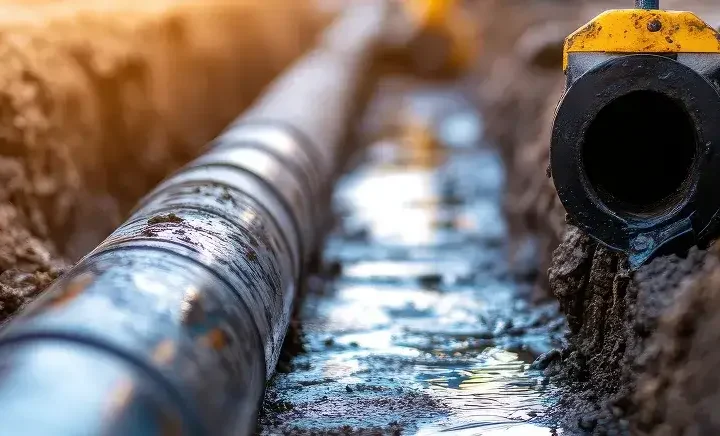
The source of water plays a major role in its quality. Municipal water generally passes through treatment facilities before reaching homes, but it may still pick up substances from distribution pipes or contain minerals and disinfectants used during treatment. The condition of household plumbing can also affect the water that comes from the tap.
Private wells have a different set of considerations. Groundwater moves through soil and rock, collecting naturally occurring minerals and, in some cases, agricultural chemicals, bacteria, or other substances from surrounding land. Well owners are responsible for monitoring their own supply, so testing becomes especially important.
The needs of urban & rural communities may differ, but neither setting should assume its water is automatically safe or suitable for every use. City residents may be concerned about chlorine, aging pipes, or lead exposure, while rural households may need to monitor bacteria, nitrates, iron, sulfur, or changes in groundwater conditions.
Why Water Testing Should Be a Routine Practice
Many people only think about testing when water begins to look unusual. Orange stains, a rotten-egg smell, cloudy water, or a metallic taste can certainly justify an investigation. Still, some important concerns may not produce obvious warning signs.
This is why water testing should be viewed as a routine part of responsible property maintenance rather than a reaction to a crisis. Testing provides measurable information about the water and helps homeowners avoid relying on guesswork.
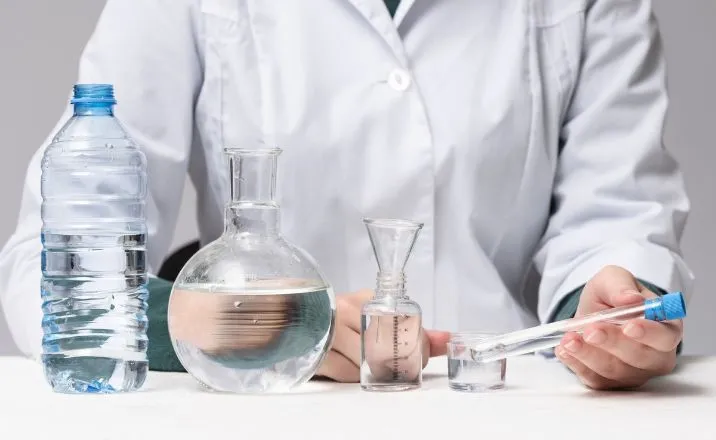
A test can evaluate factors such as:
- pH levels
- Water hardness
- Turbidity or cloudiness
- Chlorine
- Iron and manganese
- Nitrates and nitrites
- Bacteria
- Lead and arsenic
- Total dissolved solids
- Other location-specific contaminants
Not every property requires every test. The right panel depends on the water source, local conditions, previous results, and any symptoms being noticed.
When Should You Test Your Water?
For households using private wells, water testing should be performed regularly, often at least once a year for basic indicators such as bacteria and nitrates. Testing is also wise after flooding, well repairs, pump replacement, plumbing work, or any event that could affect the water source.
A new or unexplained change in taste, odor, color, or pressure is another reason to arrange testing. Families moving into a new home may also want to test the water before relying on it for drinking and cooking.
Municipal water users can review publicly available water quality reports, but those reports describe the broader supply and may not reflect conditions inside a particular building. Older plumbing, private service lines, or storage tanks can affect water quality after it leaves the treatment plant.
Testing can be especially important for properties with infants, older adults, or individuals who may be more sensitive to certain contaminants. When a specific health concern exists, homeowners should also consult a qualified healthcare professional or local public health authority.
The Role of Free Water Testing
For people unfamiliar with water treatment, the cost of testing can feel like a barrier. That is why free water testing is often offered by water treatment companies as an introductory service. It can help homeowners understand basic water conditions and decide whether further analysis is worthwhile.
However, free testing services can vary. Before agreeing to a test, ask what is being measured, how the sample is collected, whether the results are analyzed by a certified laboratory, and whether the service includes a sales consultation.
A basic screening may identify hardness, chlorine, iron, or other common concerns, but it may not detect every possible contaminant. If the property has a private well or a known environmental risk, a more comprehensive laboratory test may be necessary.
Free testing can be useful, but the results should be understood in context. No single test can guarantee that water is free from every possible concern.
Understanding Common Water Problems
Water hardness is one of the most widespread issues in homes. Hard water contains calcium and magnesium, which can create scale around faucets, showerheads, and appliances. It may also reduce soap efficiency and leave residue on dishes or glassware.
Iron and manganese can cause staining, metallic tastes, and discoloration. Sulfur compounds may create a rotten-egg odor, while sediment can make water appear cloudy or clog filters and fixtures.
Microbial contamination is a different kind of concern. Bacteria and other microorganisms may enter private wells through damaged seals, surface water intrusion, flooding, or poor sanitation conditions. These issues require proper testing and, when necessary, disinfection.
The important thing is not to treat every water problem in the same way. A softener may help with hardness but will not remove every contaminant. A carbon filter can improve taste and odor, but it is not a universal solution. Treatment should always be matched to verified water conditions.
Choosing the Right Treatment After Testing
Once test results are available, homeowners can consider suitable treatment options. Sediment filters may be useful for removing dirt, sand, and rust particles. Activated carbon filters can reduce chlorine and certain taste- and odor-causing compounds.
Water softeners are designed to reduce hardness minerals, helping limit scale and protect water-using appliances. Reverse osmosis systems are often used for drinking water because they can reduce many dissolved substances. Ultraviolet systems may be considered for microbial control, particularly in some private well applications.
In more complicated cases, specialized filtration may be needed for iron, manganese, sulfur, nitrates, arsenic, or other contaminants. A professional should explain both the capabilities and limitations of any recommended system.
Testing Protects More Than Drinking Water
Water quality affects many parts of a property. Hard water can shorten the useful life of water heaters, dishwashers, washing machines, and plumbing components. Sediment can damage valves and restrict flow. Poor water chemistry may also affect irrigation systems, boilers, commercial equipment, and agricultural operations.
For businesses and farms, water testing can support operational planning. Restaurants need dependable water for food preparation and cleaning. Hotels rely on water for guest services and laundry. Agricultural properties may need to understand salinity, mineral content, and microbial conditions before using water for crops or livestock.
Testing helps property owners make informed decisions rather than spending money on equipment that does not address the actual issue.
Final Thoughts
Water quality should not be judged only by how clear it looks in a glass. Some problems are visible and inconvenient, while others remain hidden until testing reveals them. Regular monitoring provides useful information and helps homeowners respond before a small concern becomes a larger one.
From city apartments and suburban houses to private wells and rural properties, every water source has its own characteristics. By testing at sensible intervals, understanding the results, and choosing treatment based on real needs, property owners can protect their health, plumbing, appliances, and everyday peace of mind.