Water is part of nearly everything we do at home. We use it to make coffee, wash clothes, clean the kitchen, take showers, and keep the garden alive. Because it is such an ordinary part of daily life, most of us don’t think much about it until something changes. Perhaps the dishes come out of the dishwasher covered in white spots, soap seems less effective, or the bathroom fixtures develop a stubborn film that never quite disappears.
These little frustrations may be signs of a water problem, but they don’t necessarily mean the water is unsafe. Understanding what’s happening is the first step toward finding a practical solution. With a little knowledge about minerals, filtration, and treatment options, homeowners can make better decisions without buying equipment they don’t actually need.
What Makes Water Different From One Home to Another?
Water quality varies depending on its source, the local geology, municipal treatment processes, and the plumbing through which it travels. Groundwater often picks up minerals as it moves through soil and rock. Surface water may contain different types of sediment or organic matter, depending on its surroundings and treatment.
That means two households in neighboring areas can experience different problems. One may have water that leaves mineral deposits on every faucet, while another may notice a chlorine taste or sediment after plumbing work.
The first step is to identify the specific concern. A water test can measure hardness and, when appropriate, check for other substances such as iron, nitrate, or certain metals. Private well owners should follow local testing recommendations because groundwater conditions can change over time.
It’s also useful to separate appearance from safety. Clear water isn’t automatically free from contaminants, and cloudy water isn’t always dangerous. Tiny air bubbles, for instance, can temporarily make water look milky. If the appearance, taste, or smell changes suddenly or remains unusual, investigate the cause instead of relying on guesswork.
Understanding Hard Water and Its Everyday Effects
One of the most common household water issues is mineral hardness. Water becomes hard when it contains elevated levels of dissolved calcium and magnesium. These minerals occur naturally in many water sources and are generally not considered a health concern at the levels typically associated with household hardness.
Still, they can be frustrating. If you’ve ever scrubbed a shower screen only to see cloudy marks return a day later, you’ve probably encountered mineral deposits. The same minerals can collect around faucet aerators, inside kettles, and on surfaces exposed to frequent splashing.
The effects of hard water can also show up in laundry and bathing. Soap may form less lather, while mineral deposits can leave fabrics feeling less soft. Over time, scale can accumulate in water heaters and other equipment, potentially affecting efficiency and increasing maintenance needs.
Not every home experiences these effects to the same degree. The level of hardness matters, as does water usage and the type of plumbing and appliances installed. Testing gives you a clearer picture than judging hardness by stains alone.
How Water Softeners Help Reduce Mineral Buildup
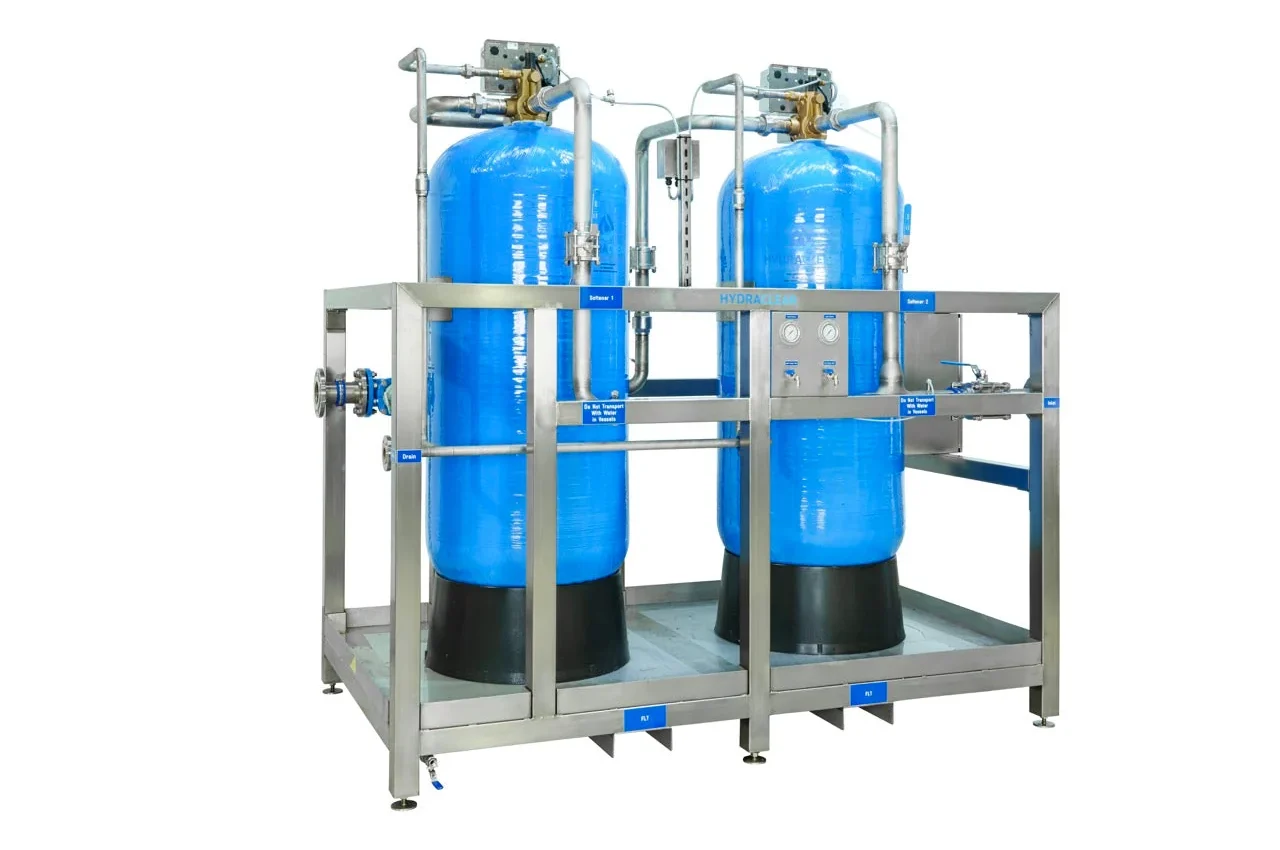
When hardness is a persistent problem, a treatment system designed specifically for it may help. Conventional ion-exchange water softeners work by exchanging calcium and magnesium ions for other ions, usually sodium. This reduces the minerals responsible for traditional scale formation.
A properly sized softener can make everyday cleaning easier, reduce scale buildup, and help protect equipment that uses hot water. Homeowners may notice fewer deposits on showerheads, improved soap performance, and less frequent descaling of kettles or similar appliances.
However, a softener isn’t a universal water purifier. It doesn’t automatically remove bacteria, viruses, pesticides, or every dissolved contaminant. If the water has several issues, additional treatment may be needed.
Salt-based softeners also require regular attention. Salt must be replenished, and the system needs to regenerate according to its settings and operating conditions. Some households may prefer salt-free scale-control products, although these generally work differently and should not be assumed to remove hardness minerals in the same way as an ion-exchange softener.
Before buying equipment, compare the system’s capacity with your household’s water use and hardness level. An oversized or undersized unit can create unnecessary costs or fail to meet demand. A reputable provider should explain the options clearly, including installation, ongoing supplies, and maintenance.
Filtration Solves Different Problems
Softening and filtration are often mentioned together, but they perform different jobs. A softener targets hardness minerals. A filter is selected according to the substances it is designed to reduce.
Sediment filters capture particles such as sand, rust, and suspended material. Activated carbon filters can improve taste and odor by reducing chlorine and certain organic compounds, depending on the specific product. Reverse osmosis systems use a membrane to reduce many dissolved substances from drinking water, although their effectiveness depends on the system’s design and certification.
Choosing the right filter begins with understanding the problem. Installing a carbon filter simply because the water tastes unusual may help in some cases, but it won’t necessarily address dissolved minerals or microbial contamination. Likewise, a sediment filter won’t remove every chemical contaminant.
Look for independent performance certifications that match your treatment goals. Read the product specifications carefully and check which contaminants have actually been tested for reduction. Broad promises about making water completely pure should be treated with caution.
Why Testing Matters Before Spending Money
A water test can prevent a great deal of unnecessary spending. Instead of purchasing several devices and hoping one solves the issue, you can choose treatment based on measurable results.
For municipal water, start by reviewing the supplier’s water-quality report, where available. This can provide information about the source and substances monitored by the utility. However, the report may not reflect changes inside your home’s plumbing, so additional testing can be appropriate if you have concerns about lead, corrosion, or other household-specific issues.
Private wells need a more tailored approach. Testing recommendations depend on the local environment, nearby agricultural or industrial activity, and potential groundwater risks. Bacteria, nitrate, and other contaminants may require particular attention. A qualified laboratory or local public health authority can help determine which tests are suitable.
Good water quality management isn’t about removing every mineral from water. Some minerals occur naturally and are not necessarily harmful. The goal is to address identified concerns while preserving safe, practical water use.
Keeping Your Treatment System Working Properly
Once a system is installed, maintenance becomes part of owning it. Filters need replacement according to manufacturer guidance, softeners need appropriate salt levels, and some equipment requires periodic professional servicing.
Don’t wait until the water tastes strange or the fixtures become covered in scale. Check for leaks, unusual noises, reduced flow, and warning indicators. Keep records of filter replacements and service visits so you can spot recurring issues.
If water quality changes suddenly, remember that the treatment system may not be the only possible cause. Plumbing repairs, changes in the source, and problems elsewhere in the supply can affect the water reaching your taps. Testing or professional inspection can help identify the real issue.
Making a Sensible Choice for Your Home
Better water doesn’t always require a complicated installation. Sometimes a simple filter is enough. In another home, persistent hardness may justify a softener, while a household using well water may need testing and a more specialized treatment plan.
Start with the problem, confirm it where possible, and compare solutions based on performance, cost, and maintenance needs. Ask questions before committing to a purchase, and be wary of anyone who recommends expensive equipment without explaining why it’s necessary.
Water may be an everyday necessity, but managing it well takes a little thought. When you understand what’s coming through your taps and how different treatment methods work, the choices become less confusing. The result isn’t just cleaner fixtures or better-tasting drinking water. It’s a home where the water system works more reliably, with fewer surprises and a lot less unnecessary effort.