Key Points
Most homeowners notice their plumbing only when something goes wrong. A faucet starts dripping, the water pressure drops, or a drain refuses to clear. But behind these everyday fixtures is a larger network of pipes that quietly delivers clean water and carries wastewater away. When those hidden systems begin to fail, the effects can spread…
Most homeowners notice their plumbing only when something goes wrong. A faucet starts dripping, the water pressure drops, or a drain refuses to clear. But behind these everyday fixtures is a larger network of pipes that quietly delivers clean water and carries wastewater away. When those hidden systems begin to fail, the effects can spread throughout the property.
Maintaining a home’s plumbing involves more than fixing visible leaks. It may also include improving water quality, repairing damaged supply lines, and inspecting underground infrastructure. Understanding these services can help homeowners make better decisions, avoid unnecessary expenses, and protect their property for years to come.
Why Water Quality Deserves Attention
Clear water is not always the same as clean or healthy water. Depending on the location and supply source, household water may contain sediment, chlorine, dissolved minerals, iron, or other substances that affect taste, smell, appearance, and plumbing performance.
A professional water test is a sensible starting point when water quality becomes a concern. Testing can identify issues that are not visible to the naked eye and can help determine which treatment method is appropriate. Homes using private wells may require more regular testing because groundwater conditions can change over time.
Water quality concerns can also appear through everyday clues. White scale around faucets may suggest hard water. A metallic taste could be associated with certain minerals or aging pipes. Cloudiness, unusual odors, or a sudden change in color should not be ignored, particularly if the change continues.
The goal is not to install the most expensive system available. It is to understand what is in the water and select a solution that addresses the actual problem.
How Water Filtration Can Improve Everyday Living
A suitable water filtration system can help reduce certain impurities and improve the taste, smell, or appearance of household water. Different filters are designed for different purposes, so choosing the right type matters.
Sediment filters are useful for capturing particles such as sand, dirt, rust, and silt. They are often installed as a first stage to protect other treatment equipment and reduce visible particles in the water.
Activated carbon filters can reduce chlorine taste and odor, as well as certain organic compounds. They are commonly used for drinking water and may be installed under the kitchen sink or as part of a whole-house system.
Reverse osmosis systems are designed to reduce a broad range of dissolved substances, depending on the membrane and other filtration stages. These systems are often used for drinking and cooking water, although they may produce wastewater and require regular filter replacement.
UV treatment may be appropriate for certain microbial concerns, particularly in private-well applications. However, UV systems do not remove minerals, sediment, or chemicals, and they generally require proper pre-filtration.
A water treatment professional can explain which technology matches the test results. Installing a filter without understanding its purpose may provide little benefit and can create unnecessary maintenance costs.
Signs Your Main Water Line May Need Attention
The main water line brings water from the municipal supply or private well into the home. Because much of it is buried underground, problems may remain hidden until they become more serious.
Common warning signs include low water pressure throughout the property, unexplained increases in water usage, damp areas in the yard, unusually muddy water, or water pooling near the foundation. In some cases, homeowners may hear water running even when every faucet and appliance is turned off.
A sudden drop in pressure does not always mean the main line is damaged. It could be related to a faulty pressure regulator, a partially closed valve, a plumbing fixture, or a municipal supply issue. Proper diagnosis is important before excavation begins.
Older supply lines may be made from materials that are more vulnerable to corrosion, mineral buildup, freezing, or ground movement. Tree roots, shifting soil, nearby construction, and accidental digging can also damage underground pipes.
Understanding Waterline Replacement & Repair
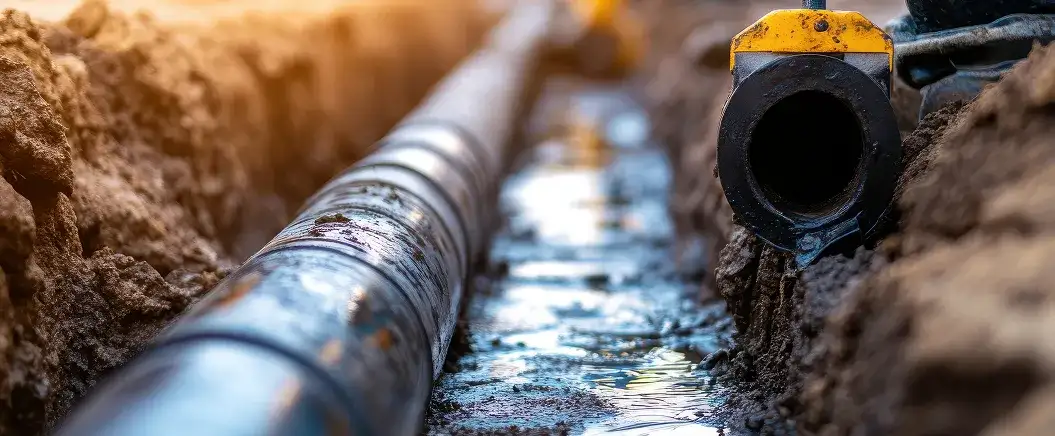
When a supply line develops a leak or becomes severely restricted, professional waterline replacement & repair may be necessary. The correct solution depends on the pipe’s material, age, location, condition, and the extent of the damage.
A small, isolated problem may be addressed with a spot repair. This can be a practical option when the surrounding pipe remains strong and the damaged section is easy to access. However, repairing one section of an aging line may not be worthwhile if additional failures are likely.
Full replacement may be recommended when the pipe has widespread corrosion, repeated leaks, severe scaling, or structural deterioration. Although replacement can require a larger initial investment, it may reduce ongoing repair costs and improve water pressure and reliability.
Traditional replacement often involves trenching, removing the old pipe, installing a new line, testing the system, and restoring the landscape or hardscape. In some situations, trenchless methods may reduce digging and property disruption. These methods are not suitable for every site, so a professional assessment is necessary.
Before approving the work, ask for a written explanation of the problem, the proposed repair method, the materials being used, the expected timeline, and the total cost.
Why Underground Sewer and Gas Systems Matter
Water supply lines are only one part of a property’s underground infrastructure. Sewer & gas lines also require careful installation, inspection, and maintenance because problems in either system can affect safety, sanitation, and daily comfort.
Sewer lines carry wastewater away from the home. Blockages may develop because of grease, unsuitable flushed materials, tree roots, collapsed pipes, or aging infrastructure. Repeated backups, foul odors, gurgling toilets, and multiple slow drains can indicate a problem with the main sewer line rather than a single fixture.
Gas lines supply fuel to appliances such as stoves, furnaces, water heaters, and dryers. These systems must be handled by qualified professionals because leaks can create serious safety risks. A rotten-egg smell, hissing sound, damaged connector, or unusual appliance behavior should be treated seriously.
If you suspect a gas leak, leave the property immediately. Do not use electrical switches, flames, or phones inside the affected area. Contact the gas utility or emergency services from a safe location.
The Value of Professional Inspections
Underground plumbing problems are difficult to diagnose accurately without the right equipment. A professional may use pressure testing, electronic leak detection, sewer cameras, or other inspection tools to locate the issue before recommending repairs.
A sewer camera can identify cracks, root intrusion, offsets, and collapsed sections. Water line testing may help determine whether pressure loss is caused by a leak or another component. For gas systems, approved testing methods can help identify unsafe conditions without relying only on visible signs.
Inspections are especially useful before buying an older property, completing major landscaping work, or remodeling a home. They can reveal hidden problems and help homeowners plan repairs rather than reacting to emergencies.
Maintenance Habits That Protect Your Plumbing
A few simple habits can reduce stress on household plumbing. Avoid pouring grease and cooking oil down drains. Flush only toilet paper and human waste. Use drain screens to catch hair and debris, and repair dripping faucets before small leaks become larger ones.
Keep records of water filter changes and professional inspections. If your home uses a water softener or filtration system, follow the recommended maintenance schedule. Neglected equipment may become less effective and can affect water quality.
Before digging in the yard, identify the location of underground utilities. Plant large trees away from sewer routes and water lines whenever possible. Also, learn where the main water shutoff valve is located so you can act quickly during a burst pipe or major leak.
Making a Sensible Long-Term Plan
Plumbing maintenance is easier when it is treated as part of regular home care rather than an emergency-only responsibility. Water testing, filtration maintenance, supply-line inspections, and underground pipe evaluations can help protect both the property and the people living in it.
The best solution is not always the biggest repair or the newest technology. It is the option that fits the actual condition of the system, the household’s needs, and the available budget. By working with qualified professionals and addressing warning signs early, homeowners can improve water quality, reduce damage, and enjoy a more dependable plumbing system.
A little attention beneath the surface can make a noticeable difference throughout the home. Clean water, reliable supply lines, and properly maintained underground systems are easy to take for granted—but they are essential to everyday life.