Category: Home services

  • Breathing Easier at Home: Why Whole-House Air Filtration Is Worth Considering

    Breathing Easier at Home: Why Whole-House Air Filtration Is Worth Considering

    If you’ve ever stepped into a room and instantly noticed the difference in air quality, you know just how much clean air can impact comfort. Maybe it’s that crisp, refreshing feeling after a storm, or the way a mountain cabin seems to let you inhale deeper. The truth is, indoor air rarely feels that way on its own. Dust, pollen, pet dander, cooking smoke, even cleaning products—these all linger in the air we breathe inside our homes. And as houses become more tightly sealed for energy efficiency, pollutants often stay trapped longer. That’s where whole-house air purification enters the conversation, quietly working in the background to make your living space healthier.

    The everyday problem of invisible particles

    Most of us don’t think much about the tiny particles floating around indoors. They’re not always visible, but they’re definitely there. Think of that faint smell of frying oil that lingers in the kitchen, or the way sunlight reveals little specks drifting across the room. Multiply that by every hour spent indoors, and suddenly air quality isn’t just about comfort—it’s about long-term health. For families with allergies, asthma, or young kids, those floating irritants can be a daily battle. Even pets, as lovable as they are, bring dander and odors into the mix.

    Why “whole-house” beats a single-room device

    Many households start with portable air purifiers. They’re convenient, relatively affordable, and easy to set up. But after a while, it becomes obvious they only treat one room at a time. Bedrooms feel fine, but the living room still feels heavy. That’s when homeowners begin exploring options that connect directly to the HVAC system. A best whole house air filtration system doesn’t just handle one corner of the house; it filters every room that receives airflow from the heating or cooling ducts. It’s like upgrading from a desk fan to central air conditioning—same concept, much bigger reach.

    The hidden comfort factor

    It’s not just about health either. Clean air changes how a home feels. That stuffy atmosphere that sometimes builds up? Gone. Lingering cooking smells? Reduced dramatically. Even things like pet odors or mustiness from damp basements can be minimized. It’s subtle, but when visitors step in and comment that your place “just feels fresh,” you realize how much of an upgrade it really is.

    Installation isn’t as complicated as it sounds

    At first glance, the idea of integrating a purifier into your home’s HVAC system might sound like a major renovation project. In reality, it’s usually straightforward. Professionals assess the existing ductwork, recommend a compatible filtration unit, and install it so it runs whenever the heating or cooling system operates. It’s not a DIY afternoon project—unless you’re unusually handy with ducts and electrical work—but hiring an air purifier installation service ensures the system runs smoothly from day one.

    Balancing costs and expectations

    Of course, the elephant in the room is budget. People often ask about the cost of whole house air purifier setups, and the answer is: it varies. Factors include the size of the house, the specific model chosen, and whether extra features like UV lights or humidifiers are added. On average, installation ranges from a few hundred dollars on the low end to several thousand for high-end systems. While that can sound steep compared to buying a couple of portable units, the coverage is incomparable. Think of it less as a gadget and more as a home upgrade—similar to installing central heating or double-pane windows.

    The health and lifestyle angle

    What’s harder to put a price on is peace of mind. For households dealing with seasonal allergies, the difference can be night and day. Kids wake up without stuffy noses. Guests with sensitivities don’t spend the evening sneezing. Even sleep quality can improve when the body isn’t constantly fighting invisible irritants. Beyond allergies, there’s the broader issue of indoor air pollution. Studies have shown that indoor air can be more polluted than outdoor air, especially in urban settings. A whole-house purifier doesn’t solve every problem, but it significantly lowers the daily exposure.

    Maintenance and real-life practicality

    One of the most overlooked aspects of these systems is how low-maintenance they can be. Portable units often need filters swapped every few months, and keeping up with multiple machines quickly turns into a chore. A whole-house system usually requires just one or two filter changes per year. Some advanced models even alert you when it’s time. It’s a small but welcome convenience, especially for busy families who already juggle endless household tasks.

    Is it the right choice for everyone?

    Not every home needs a top-of-the-line system. Smaller apartments may do perfectly well with a single portable purifier. But for detached homes, especially those in areas with high pollen counts, wildfire smoke, or persistent humidity, investing in a whole-house system makes sense. It’s also worth considering if you plan to stay in your house for the long haul. Like any home improvement, the longer you enjoy it, the more the value outweighs the cost.

    A subtle upgrade with a big impact

    Here’s the thing: once installed, a whole-house purifier doesn’t demand attention. It doesn’t buzz loudly in the corner or need to be moved from room to room. It just works in the background, silently improving the environment day after day. That’s the beauty of it—you notice the difference in how you feel, not in how often you have to fiddle with it.

    Wrapping it all up

    At the end of the day, improving air quality isn’t about chasing trends or adding unnecessary gadgets. It’s about creating a healthier, more comfortable living space for everyone under your roof. For some, that means sticking with a portable purifier in the bedroom. For others, it’s about taking the leap into a system that covers the entire house. And while the initial price tag can give pause, the benefits—better sleep, fewer allergies, fresher rooms—are often worth every penny.

    Breathing easy at home is something we all deserve. Whether it’s for the kids, for the pets, or simply for your own peace of mind, investing in clean air can be one of the most quietly life-changing decisions you make about your home.
  • Clean Water, Clear Minds: Why Businesses in Michigan Are Rethinking Filtration

    Clean Water, Clear Minds: Why Businesses in Michigan Are Rethinking Filtration

    Walk into any coffee shop, restaurant, or office in Michigan, and you’ll notice one common thread: water touches everything. From brewing your morning latte to keeping HVAC systems from scaling up, clean water is quietly doing the heavy lifting. Yet, for many businesses, it’s something they don’t think about until there’s a problem—rust stains on sinks, funny tastes in drinks, or even clogged machinery. That’s when the quiet hum of filtration becomes more than background noise; it becomes a priority.

    Michigan, with its mix of urban hubs and small towns, has a long, complicated history with water. Industries rely on it, communities depend on it, and when quality slips, everyone feels it. For businesses, overlooking water quality isn’t just a nuisance—it can be costly, both financially and reputationally.


    When “Good Enough” Isn’t Good Enough

    There’s a temptation to believe that city-supplied water or a small in-house filter is all you need. But any business owner who’s had to deal with scale buildup in their plumbing, or that faint metallic taste in their ice machine, knows better. The truth is, “good enough” water doesn’t cut it when customers, employees, and equipment are all affected.

    Restaurants risk the taste of their food. Breweries worry about consistency in their batches. Even car washes have to think about how water quality impacts the finish of a vehicle. A commercial water filtration system Michigan businesses can depend on isn’t just about purifying water—it’s about protecting investments and ensuring a level of quality that matches the service being offered.


    South Lyon and the Rise of Smarter Solutions

    Take South Lyon, for example. It’s a community where local businesses—from family-owned bakeries to manufacturing plants—rely heavily on consistent water quality. The city’s supply is safe, yes, but safe doesn’t always mean optimal. Hardness levels can vary, and trace contaminants may sneak through.

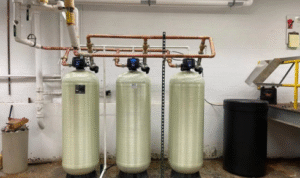
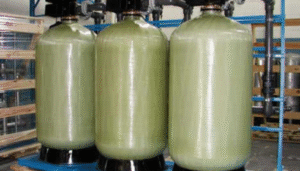
    That’s why more businesses here are exploring industrial water filters South Lyon providers can install and maintain. These aren’t the plastic pitchers you keep in your fridge. We’re talking robust systems designed to handle high volumes, adapt to specific contaminants, and keep everything running smoothly behind the scenes. When you’ve got machinery worth thousands of dollars depending on water quality, filtration stops being an afterthought.


    Carbon Filtration: Not Just for Homeowners Anymore

    Here’s something interesting: carbon filtration, which many of us associate with those simple faucet attachments or refrigerator filters, has been quietly gaining traction in the commercial world. Why? Because it works—plain and simple.

    Activated carbon is like a sponge for impurities, trapping chlorine, organic matter, and those faint odors that can make a glass of water taste a little off. For cafés and restaurants, that can mean the difference between a customer coming back or leaving a poor review. For offices, it might mean happier employees who actually drink the water instead of spending money on bottled cases.

    More importantly, businesses are realizing that carbon filtration for business isn’t a luxury—it’s an affordable, scalable way to keep their operations polished. It’s low-maintenance, effective, and surprisingly versatile. Pair it with other advanced systems like reverse osmosis or UV treatment, and you’ve got a setup that’s practically bulletproof.


    The Hidden Costs of Doing Nothing

    Sometimes the best way to understand the value of filtration is to look at what happens without it. Imagine running a bakery where your water carries a hint of sulfur. The bread doesn’t rise the same, and customers complain about flavor. Or consider a car wash where minerals in the water leave streaks on every vehicle—suddenly, your “premium wash” doesn’t look so premium anymore.

    Then there’s the equipment itself. Hard water shortens the lifespan of dishwashers, boilers, and even ice machines. Repairs pile up. Replacements come sooner than expected. Add in downtime, and the numbers can be staggering. A good filtration system, on the other hand, is like insurance: an upfront investment that saves money year after year.


    Beyond Taste and Savings: A Reputation at Stake

    We live in a world where reputation is built in moments. One bad Google review about “weird tasting water” in a restaurant, or a client noticing cloudy ice at a bar, can ripple out further than you’d think. Customers might not be able to put their finger on it, but they’ll sense when something feels “off.”

    On the flip side, offering clean, refreshing water can become part of your identity. Some businesses even advertise it—“locally filtered water” or “pure taste guaranteed.” It’s subtle, but in competitive markets, those small details matter. Filtration doesn’t just protect your plumbing; it protects your brand.


    Making the Switch: Where to Start

    If you’re a business owner in Michigan wondering whether you need filtration, the first step is easy: test your water. A professional assessment will tell you what’s in it—hardness, chlorine, iron, you name it. From there, you can match the solution to your specific needs. Maybe it’s carbon filtration, maybe reverse osmosis, maybe a combination.

    The beauty of modern systems is that they’re adaptable. Whether you’re a five-person office or a manufacturing facility running 24/7, there’s a system designed with you in mind. And with maintenance plans becoming more affordable, you don’t have to worry about constant checkups or complicated upkeep.


    Wrapping It All Up

    Water may be invisible in day-to-day operations, but its impact is anything but. For Michigan businesses, it’s becoming clear that filtration is more than a behind-the-scenes tool—it’s a front-line defense against wasted money, disappointed customers, and unnecessary headaches.

  • The Real Value of Installing a Water Softener in Your Home

    The Real Value of Installing a Water Softener in Your Home

    If you’ve ever noticed stubborn limescale around your taps, cloudy glassware fresh out of the dishwasher, or skin that feels a bit tight after a shower, you’re not alone. Across much of the UK, hard water is just part of daily life. While it’s not harmful to health, the chalky residue it leaves behind can be a right nuisance. That’s where a good water softener comes in — and for many households, it’s a genuine game-changer.

    Why Hard Water is Such a Hassle

    Hard water simply means it has a higher concentration of minerals like calcium and magnesium. Over time, those minerals cause build-up in pipes, kettles, washing machines, and anywhere water flows regularly. You’ve probably seen it on your showerhead or felt it when soap doesn’t lather as it should.

    The hidden impact is bigger than the surface annoyance, though. Appliances have to work harder, energy bills creep up, and detergents don’t stretch as far as they could. A kettle that once boiled in seconds suddenly takes longer, and clothes might feel a little stiffer after washing. It’s not the end of the world — but it adds up.

    A Practical Solution: Water Softeners

    This is where water softeners earn their keep. By filtering out those minerals before they reach your taps, they protect your plumbing, save energy, and even make your cleaning products more effective. A lot of homeowners say it feels like their home has had a refresh — showers feel more pleasant, skin less dry, and laundry softer without added fabric conditioners.

    And it’s not just about comfort. Protecting your boiler and hot water system from scale can prolong their life, sparing you hefty repair or replacement costs later on. That’s why more families are turning to water softener installation Tampa services (and beyond) to nip the issue in the bud.

    What to Expect from Installation

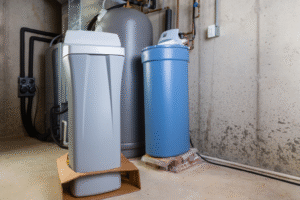
    If you’re considering one, the installation process isn’t overly complicated. A professional usually fits the unit near where water enters your property, often by the kitchen mains or utility room. Once connected, all the water running into your home passes through it, meaning every tap, shower, and appliance benefits.

    Some models are compact enough to slot under the sink, while others may sit in a garage or small utility cupboard. The size really depends on your household’s water usage. A family of five, for instance, will need something more robust than a single-occupant flat.

    Daily Life with Softer Water

    The difference is noticeable quickly. Dishes come out of the dishwasher sparkling, hair feels smoother after washing, and even a simple cuppa tastes better when there’s no chalky residue. Over weeks and months, you’ll spot less scale on taps and shower screens.

    The financial perks often take people by surprise. Boilers and washing machines last longer, heating efficiency improves, and you’ll likely find yourself buying fewer cleaning products because soap and detergent go further. It’s not a stretch to say a water softener pays for itself in savings over time.

    Why Tampa Stands Out

    You might wonder why so many online searches highlight water softener Tampa. While we’re looking at this from a UK perspective, the point is universal: some regions face particularly tough water problems. In Florida, just as in places like Kent or Essex here in the UK, residents know the struggle of mineral-heavy water.

    That shared experience makes it clear: whether you’re in Tampa or Tunbridge Wells, the benefits are the same. Softer water means less hassle, cleaner appliances, and a smoother everyday routine.

    Looking After Your Softener

    Like any piece of kit, a water softener isn’t something you just forget about once it’s installed. It runs on salt, which needs topping up periodically to keep it functioning. The type of salt and how often it’s needed depends on your model, but it’s usually straightforward and affordable.

    Routine check-ups are also smart. Having a technician take a look now and then ensures everything is working as it should. Think of it like servicing a boiler — preventative care avoids costly surprises later. That’s why people often book water softener service Tampa style maintenance packages, which are essentially no different from the service plans you’ll find in the UK.

    Is It Worth It?

    For many households, yes. If you live in a hard water region, the change is both practical and noticeable. It’s not just about comfort — it’s about protecting your home, saving money on utilities, and extending the lifespan of your appliances.

    Of course, it’s an investment, and like any home upgrade, you’ll want to weigh the upfront cost against the long-term gains. But if you’ve grown tired of scrubbing limescale, replacing kettles too often, or dealing with dry skin that never seems to improve, the maths quickly adds up.

    A Small Change with Big Impact

    At the end of the day, installing a water softener is one of those small home decisions that ripples out into daily life. It doesn’t scream luxury, but it quietly improves things you use every single day. Water that feels better, appliances that last longer, fewer streaks on the glassware, and less elbow grease spent on cleaning.

    It’s the kind of behind-the-scenes upgrade that makes you wonder why you didn’t do it sooner.


    Final Thought

    Life’s full of little annoyances you just learn to live with, but hard water doesn’t have to be one of them. Whether you’re looking at local installers in the UK or noticing conversations about water treatment solutions in places like Florida, the principle is the same: softer water simply makes life easier.

    And when you think about it, that’s what home improvements are meant to do — reduce hassle, save money, and give you a better day-to-day. If you’ve been considering it, maybe now’s the time to finally take the plunge.

  • The Real Cost of Softer Water: What Businesses Should Know

    The Real Cost of Softer Water: What Businesses Should Know

    Running a business comes with enough headaches — equipment maintenance shouldn’t be one of them. Yet if your company depends on clean water, chances are you’ve dealt with scale buildup, inefficient machinery, or frustrated customers at some point. That’s where commercial water softeners come in. They might not be glamorous, but they can quietly save thousands in energy costs, repairs, and downtime. Still, many business owners hesitate, not because they don’t see the value, but because the costs and logistics feel murky. Let’s unpack that.


    Why Hard Water Hits Businesses Harder

    If you’ve ever cleaned a coffee maker at home, you know what mineral deposits can do. Now imagine that multiplied across a car wash, a hotel, a manufacturing facility, or even a healthcare clinic. Hard water quietly reduces efficiency and lifespan of equipment, clogs pipes, and can even impact the final product in industries where water quality is non-negotiable. For restaurants, it can mean cloudy glassware and spotty silverware. For laundromats, stiff towels that nobody wants to use. For manufacturers, downtime when machines start acting up.

    The problem isn’t just aesthetic — it’s financial. Scale buildup forces boilers, heaters, and dishwashers to use more energy. Studies show even a thin layer of limescale can drive up energy costs significantly. When you’re running a business, every extra dollar matters.


    The Price Question Everyone Asks

    Of course, the first thing business owners want to know is the commercial water softener price. And the honest answer? It varies widely. Units can start around a few thousand dollars for smaller operations and climb into the tens of thousands for large, industrial-grade systems. The size of your operation, the hardness of your local water, and the demand for treated water all play a role.

    But here’s the kicker: it’s not just about sticker price. The real math happens over time. Energy savings, fewer repairs, and longer-lasting equipment often offset the upfront investment faster than people expect. In many cases, the softener starts paying for itself within just a few years. So while the price tag might sting at first glance, the long-term story is a lot friendlier.


    Installation Isn’t Just Plug-and-Play

    Buying a water softener is one thing, but making sure it’s installed correctly is another. Businesses sometimes underestimate this part, and it’s where problems can start if you cut corners. Proper commercial water softener installation ensures the system is sized right, integrated seamlessly with existing plumbing, and meets safety and building code requirements.

    For a hotel or food service business, downtime during installation can be costly, so careful planning matters. Reputable installers also provide training on operation and maintenance, which keeps employees from making mistakes that shorten the system’s lifespan. It’s tempting to save money with a general plumber or DIY approach, but in the long run, specialized installation is an investment in peace of mind.


    Why Southern California Businesses Feel It Most

    It’s not just a cliché — water in California really is hard. In fact, many parts of the state report some of the highest hardness levels in the country. That’s why demand for commercial water softener Southern California solutions is especially strong. From Los Angeles hotels to San Diego breweries, businesses here simply can’t afford the wear and tear that untreated water brings.

    The irony, of course, is that California also has some of the strictest water conservation policies. That makes choosing the right system even more critical. Modern commercial softeners are far more efficient than older models, with options for reduced salt use, smarter regeneration cycles, and eco-friendly designs. For businesses in the region, that balance between protecting equipment and respecting environmental regulations is key.


    Maintenance: The Unsexy Side That Matters

    Here’s something no one tells you at the sales pitch: the best water softener in the world won’t perform well if you ignore it. Routine maintenance is straightforward — checking salt levels, keeping brine tanks clean, scheduling occasional servicing — but it’s easy for busy staff to overlook.

    The good news? Many service providers now bundle maintenance into their installation packages. Some even offer remote monitoring, alerting you before something goes wrong. A simple service plan often costs less than a single emergency repair caused by scale damage.


    Making the Business Case

    If you’re still on the fence, consider this scenario:

    • A restaurant pays $15,000 for a commercial water softener system.
    • Annual maintenance and salt run about $500–$1,000.
    • The system extends the life of dishwashers, ovens, and coffee machines by years.
    • Energy bills drop by several hundred dollars annually thanks to reduced scale buildup.
    • Glassware and silverware sparkle, reducing waste and boosting customer perception.

    Within a few years, the investment doesn’t just pay for itself — it becomes a quiet partner in profitability. For manufacturers or healthcare facilities, the savings can be even more dramatic.


    Questions to Ask Before You Buy

    Before signing a contract, business owners should ask a few practical questions:

    1. What’s the total cost of ownership? (Not just upfront, but over 5–10 years.)
    2. Is the system scalable? If your business grows, can it keep up?
    3. What’s included in the warranty and service agreement?
    4. How efficient is it compared to other models? (Salt, water use, energy consumption.)
    5. Who’s handling installation, and what’s their track record?

    Asking the right questions upfront saves frustration later.


    The Human Side of the Decision

    Let’s be honest: water softeners aren’t exciting purchases. No one brags about them on Instagram. But talk to any business owner who’s installed one, and you’ll often hear the same story — “I wish I’d done it sooner.” That’s because it’s not really about the machine itself. It’s about smoother operations, fewer headaches, and more predictable costs.

    When you’re not worrying about a surprise breakdown or rising utility bills, you can focus on what really matters — serving your customers and growing your business.


    Closing Thoughts

    Choosing a commercial water softener is part numbers, part logistics, and part trust. Yes, the upfront investment can make you wince. Yes, installation requires planning. And yes, ongoing maintenance isn’t optional. But when you stack those against the costs of equipment damage, higher utilities, and customer complaints, the scales tip in favor of making the leap.

    For businesses, especially in areas plagued by hard water, a softener isn’t just plumbing — it’s strategy. The best systems work quietly in the background, saving money and protecting what keeps your business running. And if that means one less thing to stress about in the daily grind of entrepreneurship, maybe it’s worth far more than the price tag suggests.

  • Clean, Safe, and Simple: Why More Homeowners Are Choosing Whole Home Water Filtration

    Clean, Safe, and Simple: Why More Homeowners Are Choosing Whole Home Water Filtration

    There’s something about a glass of cold water straight from the tap that should feel simple. Yet, for many of us, that sip comes with a hint of doubt—about taste, safety, or what’s quietly floating around in there. Over the past few years, I’ve noticed more people turning their attention to water quality at home. It’s no longer just about buying bottled water or sticking a little filter on the fridge. Instead, the trend is moving toward a bigger, more permanent solution: whole home water filtration.

    And honestly, it makes sense. Water touches just about everything we do—cooking pasta, washing fruit, brewing coffee, showering in the morning. If the quality isn’t right, it affects more than just taste. It sneaks into our routines in ways we often don’t notice until things start to feel off.


    The Shift from “Just Drinking Water” to Whole-Home Care

    Back in the day, most people only cared about filtering the water they drank. A pitcher filter on the counter did the trick. But now, homeowners are realizing it’s not just about what you swallow. Shower steam carries chemicals into your lungs. Laundry washed in hard or contaminated water wears out faster. Even your skin feels the difference when you bathe in cleaner water.

    That’s where whole-home systems come in. They’re designed to treat every drop before it ever flows through your pipes. Instead of worrying about whether the upstairs shower or the backyard hose is safe, you get peace of mind across the board. It’s like having an invisible shield built right into your plumbing.


    What Makes a System the Best?

    It’s a fair question: with so many brands promising miracles, how do you know what really counts as the best whole home water filtration system? The answer isn’t one-size-fits-all. For some households, the biggest concern is hard water that leaves cloudy spots on dishes. For others, it’s chlorine taste, or maybe contaminants like lead or pesticides in older plumbing systems.

    The best system isn’t just the most expensive or the one with the fanciest marketing. It’s the one that matches your water quality issues and lifestyle. A family with young kids might prioritize removing bacteria and chemicals for health reasons, while someone with sensitive skin could be more focused on getting rid of harsh minerals. The trick is testing your water first and working backward from there.


    Installation: Not as Scary as It Sounds

    Here’s where a lot of homeowners hesitate—they imagine tearing up walls, endless plumbing messes, and weeks of contractors traipsing through the house. But the truth is whole home filtration installation is usually a pretty straightforward process.

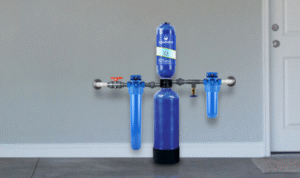
    Most systems are installed where the water line enters your home, often near the basement or garage. A professional plumber can typically get everything hooked up in a day. Once it’s in place, you don’t really have to think about it beyond the occasional filter change. It’s not like other home projects that demand constant upkeep. It’s more of a “set it and forget it” upgrade, which is why so many families find it appealing.


    Everyday Benefits You’ll Actually Notice

    Let’s be honest: when people hear “filtration,” they think it’s about safety first. And yes, removing harmful stuff is the core purpose. But the benefits show up in ways that make daily life a little nicer, too.

    • Better showers: Softer water means less dryness, shinier hair, and no chemical smell.
    • Appliance longevity: Washing machines, dishwashers, and even your coffee maker tend to last longer without mineral buildup clogging them.
    • Cleaner laundry: Clothes and towels feel softer and stay brighter because they aren’t battling against harsh water.
    • Cooking with confidence: Whether it’s boiling pasta or washing veggies, you know the water touching your food is safe and fresh.

    These aren’t abstract perks—they’re small, everyday wins that add up to a healthier, more comfortable home environment.


    The Cost Question (Because Everyone’s Thinking It)

    Of course, no conversation about home improvements is complete without tackling the elephant in the room: price. Whole-home systems aren’t free, and they can feel like a big upfront investment. But here’s the flip side: think about what you already spend on bottled water, or how much it costs to repair a water heater corroded by minerals. Add in the value of peace of mind, especially if you have kids at home, and suddenly the math looks different.

    A good system can easily last a decade or more with proper maintenance. Spread across those years, the cost often ends up being less than what families spend on disposable water fixes.


    Not All Filters Are Created Equal

    One thing I’ve learned while digging into this topic is that filters are specialized. Some are designed to target heavy metals, others focus on chlorine or sediment. Then there are more advanced multi-stage systems that layer these protections together.

    That’s why it’s important not to just buy the first shiny box you see online. A cheap filter might fix taste issues but leave behind more serious contaminants. The key is aligning the filter technology with your actual water test results. It’s like picking the right tool for the job.


    A Lifestyle Choice More Than Just a System

    At its core, investing in a whole-home filter isn’t just a technical decision—it’s a lifestyle one. It says you’re prioritizing your family’s health, your home’s longevity, and even your own comfort. It’s about knowing that every faucet, showerhead, and appliance is backed by clean, safe water.

    The interesting thing is how people describe the shift after making the leap. They often say it’s not about dramatic change, but subtle improvements that become the new normal. The absence of worry. The ease of turning on the tap without hesitation. Those things are hard to put a price tag on, but they matter.


    Wrapping It All Up

    So, is a whole-home water filtration system worth it? For many households, the answer is yes—and not just for the obvious safety reasons. It’s about the ripple effect it has across your routines, your appliances, and your sense of ease at home.

    When you start to think about water not as a single glass but as a constant presence in your life, the value of treating it properly becomes pretty clear. You wouldn’t cook with ingredients you don’t trust, or wash your clothes in something you know is harmful. Water deserves the same respect.

    If you’ve been sitting on the fence, maybe now’s the time to look into it. Test your water, explore options, and see what aligns with your needs. Once you make the switch, you’ll probably wonder why you didn’t do it years earlier.