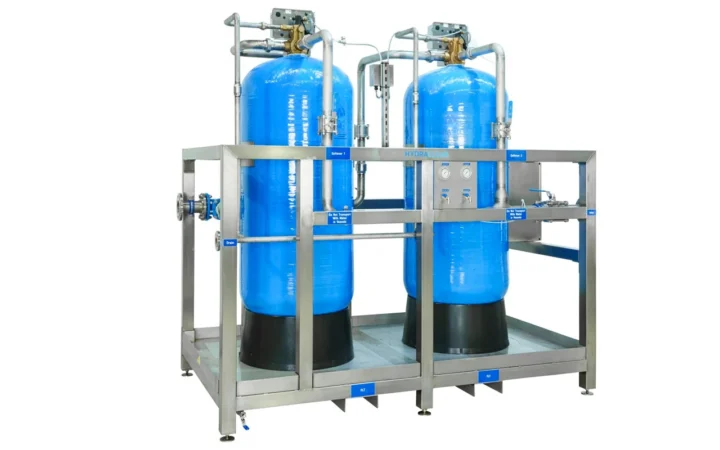
Water is involved in more of our daily routines than we probably realize. It’s the starting point for a good cup of coffee, an essential ingredient in homemade meals, and something we reach for throughout the day. Yet when tap water has an unpleasant taste or raises concerns about unwanted substances, those ordinary moments become a little less enjoyable.
Exploring reliable filtered drinking water solutions can help homeowners address specific water quality concerns without depending entirely on bottled water.
Reverse osmosis is one treatment method worth understanding, particularly for households interested in reducing dissolved contaminants. However, choosing the right equipment involves more than purchasing a popular model.
Knowing your water conditions, understanding installation requirements, and planning for ongoing maintenance can make the investment far more rewarding.
Why Your Tap Water May Benefit From Additional Treatment
Water travels quite a distance before reaching your kitchen faucet. Along the way, its composition can be influenced by natural minerals, treatment processes, and the condition of plumbing infrastructure.
Sometimes, these factors create noticeable differences in taste or odor. Other substances may be present without producing any obvious warning signs.
That’s why judging water quality by appearance alone isn’t particularly reliable.
Municipal water customers can review their utility’s drinking water quality reports, while laboratory testing can help identify concerns specific to their property.
Private well owners should also arrange appropriate periodic testing.
Once you understand what’s present in your water, choosing a suitable filtration method becomes easier. You might discover that a simple carbon filter addresses your concerns, or that more comprehensive treatment would be appropriate.
What to Expect When Installing a Reverse Osmosis System
One appealing aspect of residential reverse osmosis equipment is that it can often be installed without significantly altering plumbing throughout the house.
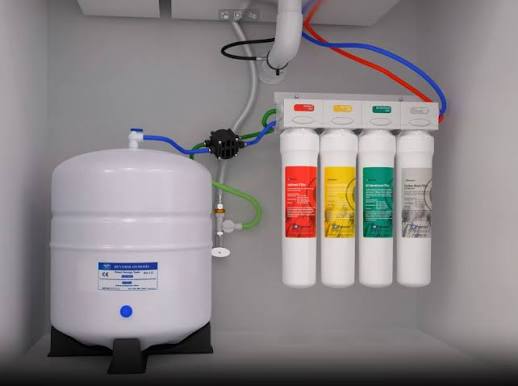
A typical reverse osmosis system installation involves connecting treatment equipment to the cold water supply, establishing an appropriate drainage connection, and providing access to treated water through a dedicated faucet.
Under-sink models are particularly practical for households that prefer keeping filtration equipment out of sight.
However, installation requires some planning. Available cabinet space, incoming water pressure, drainage arrangements, and accessibility for future maintenance all deserve consideration.
Certain tankless models may also require an electrical connection.
Before purchasing equipment, discuss these details with a qualified installer. It’s better to identify potential complications beforehand than discover that your chosen system doesn’t comfortably fit beneath the kitchen sink.
Understanding How Reverse Osmosis Improves Water Quality
Reverse osmosis uses pressure to move water through a specialized semipermeable membrane. Water molecules pass through, while many dissolved substances are rejected and carried away through a separate wastewater stream.
Effective RO drinking water treatment often combines membrane technology with sediment and carbon filtration to address different water quality concerns.
Depending on the equipment’s design and independent certification, the process may reduce substances such as lead, nitrate, fluoride, and dissolved salts.
Additional filtration stages can help protect the membrane and improve certain tastes and odors.
However, having more filtration stages doesn’t automatically mean a system performs better.
Pay attention to verified contaminant reduction claims rather than relying on impressive packaging or broad promises about water purity.
The Convenience of Having Filtered Water on Demand
Anyone who regularly purchases bottled water knows how inconvenient it can become. Heavy packages need carrying, refrigerator space disappears, and empty bottles gradually accumulate.
Having suitable treatment equipment at home offers another possibility.
You can fill reusable bottles before leaving for work, prepare beverages, and use treated water for cooking without constantly checking whether there’s enough bottled water left.
Some people also notice differences in the taste of coffee or tea when prepared with filtered water.
These benefits are personal, of course. Reverse osmosis removes many naturally occurring minerals, which can leave water tasting slightly different from what you’re accustomed to.
Some homeowners enjoy that taste, while others prefer a system that includes remineralization.
Choosing Between Storage Tank and Tankless Models
Traditional residential reverse osmosis equipment often includes a storage tank that holds treated water until it’s needed.
This arrangement can be convenient when household members frequently fill large containers or use substantial amounts of water within short periods.
Tankless systems generally produce treated water on demand. They may occupy less cabinet space, although equipment dimensions, production rates, and power requirements vary between models.
Neither design is automatically superior.
Consider your family’s consumption patterns, available space, incoming water conditions, and preferred maintenance routine.
Water efficiency matters, too. Reverse osmosis produces reject water during treatment, and the amount varies considerably between systems.
Comparing recovery rates and ongoing ownership costs can help you make a more informed purchase.
Giving Your Filtration Equipment the Care It Needs
A filtration system isn’t something you should install and completely forget about.
Sediment and carbon filters require periodic replacement, while membranes have their own recommended service intervals. Storage tanks and other components may also require appropriate sanitation.
Follow manufacturer recommendations and keep replacement dates somewhere accessible.
If water flow becomes unusually slow or taste changes unexpectedly, investigate the cause.
Periodic laboratory testing is particularly important when equipment is intended to reduce health-related contaminants.
Remember that standard residential reverse osmosis equipment shouldn’t automatically be relied upon to make microbiologically unsafe water suitable for drinking. Additional treatment or disinfection may be necessary.
Making Better Water a Natural Part of Home Life
Investing in drinking water filtration doesn’t need to become an overly complicated project. Start by understanding your water, choose equipment with verified performance, and establish a manageable maintenance routine.
The right system should complement your lifestyle instead of creating another demanding household responsibility.
And sometimes, the greatest satisfaction comes from something wonderfully ordinary: walking into your kitchen, filling a glass with treated water, and enjoying a refreshing drink without reaching for another plastic bottle.