Water is part of nearly everything we do at home. We pour it into the kettle before breakfast, wash vegetables for dinner, fill reusable bottles before heading out, and use it for countless little tasks without giving it much thought. But when questions about water quality arise, even an ordinary trip to the kitchen sink can feel different. Is the water suitable for everyone in the family? Would a filtration system help? And how can you tell which solution is actually worth the investment?
The answers begin with understanding your water rather than buying the first product that promises cleaner, healthier results. Every home has its own circumstances, and the right approach should reflect them.
Start With What Your Household Actually Needs
Water concerns can vary considerably from one property to another. Some families notice a chlorine-like smell or an unpleasant taste. Others deal with hard water, sediment, or staining around sinks and bathroom fixtures. In homes that rely on private wells, naturally occurring minerals and environmental conditions can create additional questions that deserve proper testing.
It helps to separate what you notice from what you know. A cloudy glass may indicate suspended particles, but clear water can still contain substances that cannot be seen or tasted. Similarly, an unusual flavor does not automatically mean the water is unsafe. These observations are useful clues, not definitive answers.
A water test provides a more reliable starting point. Depending on your water source and concerns, testing may assess properties such as pH, hardness, and specific contaminants. The results can guide you toward an appropriate treatment method instead of leaving you to make decisions based on advertising alone.
Pay Special Attention to Drinking Water
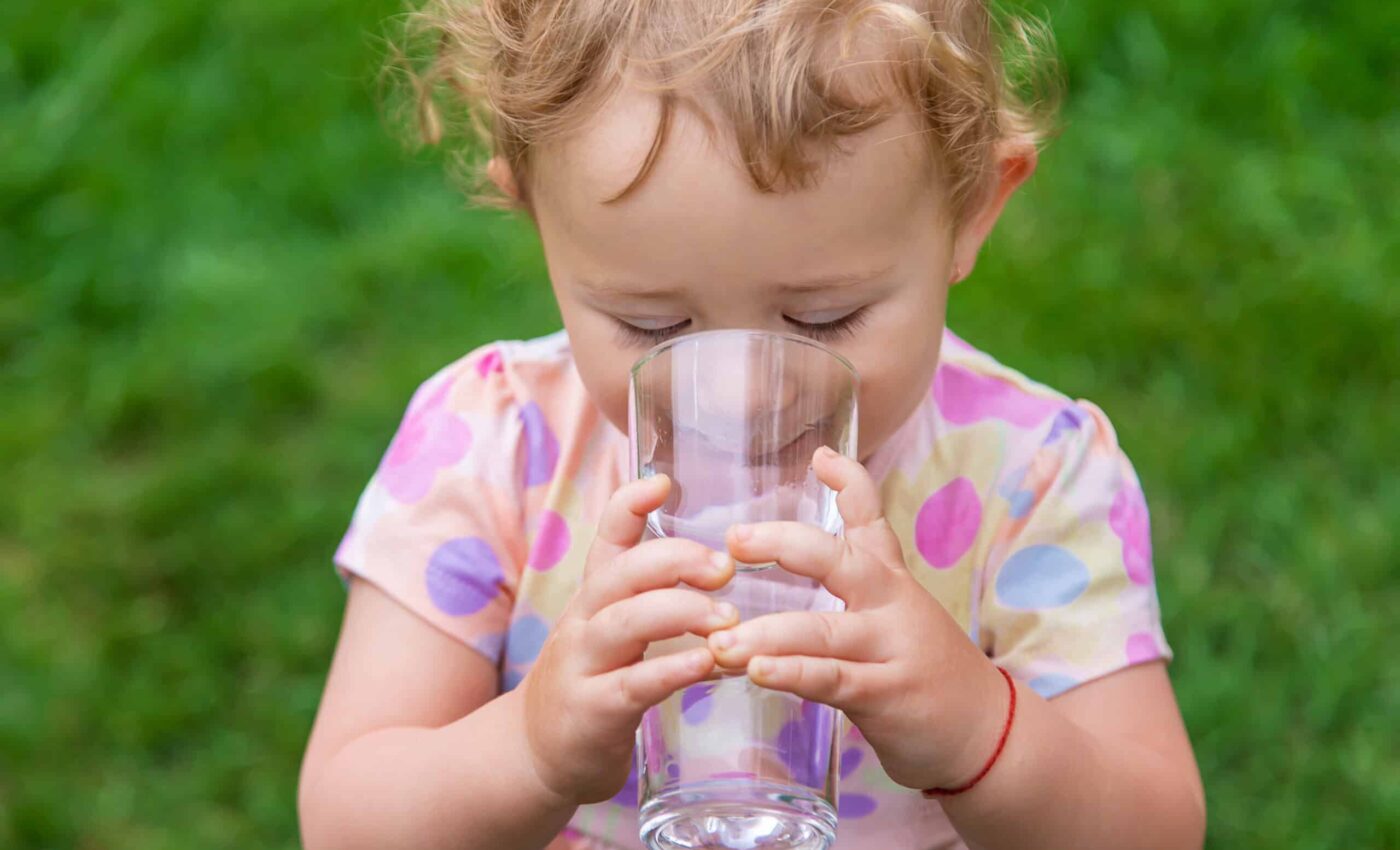
Water used for drinking deserves careful consideration because it becomes part of your daily routine. Families may also have different requirements depending on age, health circumstances, and how water is prepared or stored.
For many households, drinking, cooking, and baby formula preparation are important reasons to understand water quality. If you are preparing infant formula, follow your healthcare professional’s guidance and the formula manufacturer’s instructions regarding safe water and preparation. A household filter should not automatically be assumed to make water suitable for every purpose, especially if a specific contamination concern has been identified.
Parents sometimes assume that bottled water or filtered water is always the safest option. In reality, the right choice depends on the source water, the treatment involved, and the particular need. If testing identifies a health-related concern, consult your local public health authority or a qualified water professional about appropriate next steps.
The same principle applies to everyday cooking. Water is used in soups, rice, pasta, coffee, and tea, so its taste can affect the finished result. A suitable filter may improve the experience, but its performance should match the issue you want to address.
Understand the Different Filtration Options
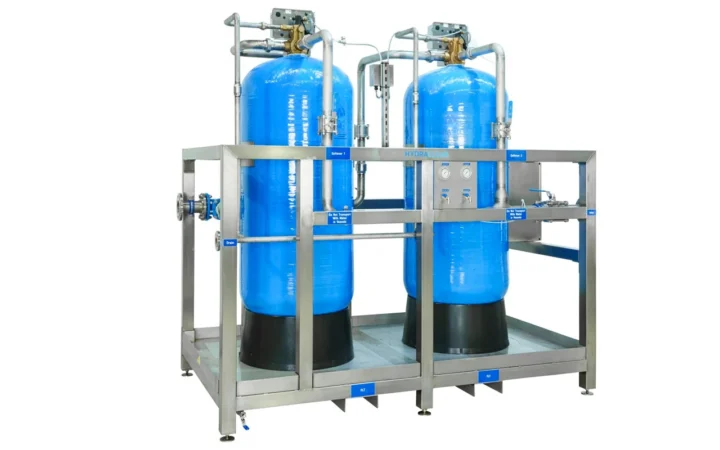
Water filtration systems use different technologies, and each has a particular purpose. Activated carbon filters can reduce chlorine taste and odor, along with certain other compounds when the product is designed and tested for them. Sediment filters capture particles such as sand and rust. Water softeners are primarily used to reduce hardness caused by calcium and magnesium.
Reverse osmosis systems use a semipermeable membrane to reduce many dissolved substances. They are commonly installed beneath kitchen sinks and can be useful when test results indicate that this type of treatment is appropriate. However, they are not a universal solution for every possible water-quality problem.
When comparing products, look for independent certification and performance documentation that identifies the substances the system is designed to reduce. Broad statements such as “purifies everything” deserve caution. No single technology should be expected to solve every water concern without evidence.
It is also worth considering where treatment is needed. A point-of-use filter treats water at one tap, often the kitchen sink. A whole-house system treats water as it enters the property and may be useful when an issue affects multiple fixtures. Testing can help determine which approach makes sense.
Filter Maintenance Should Never Be an Afterthought
A filtration system is not a one-time purchase that can be forgotten. Cartridges have a limited service life, and membranes or other components may need periodic replacement. The exact schedule depends on the equipment, the quality of the incoming water, and how much water your household uses.
Make sure you know when to replace the filters before committing to a particular model. Check the manufacturer’s instructions, the price of replacement cartridges, and whether supplies are readily available. Some systems include indicators that signal when maintenance is due, while others require you to track the schedule yourself.
Why does this matter? As a filter becomes exhausted or clogged, water flow may slow and the unit may no longer perform as intended. Replacing components on schedule helps maintain the system’s designed performance. It also makes budgeting easier because you can account for ongoing expenses instead of focusing only on the initial purchase price.
Installation deserves similar attention. A compact under-sink unit may be manageable for some homeowners, while more complex equipment can require a qualified installer. Confirm that the system suits your plumbing, available space, and water pressure.
Know When to Ask for Professional Guidance
You do not need to become a water-treatment expert to make a sensible decision. Still, a little professional guidance can save time and help prevent unnecessary spending. A qualified provider should be willing to explain the test results, discuss suitable treatment options, and answer questions about maintenance and operating costs.
If you are unsure about your water, book your free test if that service is available in your area. Before scheduling, ask what the test includes, whether there are any charges for additional laboratory analysis, and how the results will be shared. A basic screening can be useful, but certain contaminants require specialized testing through an appropriately qualified laboratory.
Be cautious of high-pressure sales tactics. A trustworthy recommendation should connect the proposed equipment to your actual results rather than suggesting the same expensive system for every household. You should also receive clear information about installation, warranties, replacement parts, and any limitations of the treatment.
If your water suddenly changes color, develops a strong unusual odor, or is associated with an official water-quality warning, contact your water supplier or local health authority. Do not rely on a routine filter assessment alone when an urgent concern needs investigation.
Build Better Water Habits at Home
Improving water quality is not always about installing the biggest or most expensive system. Sometimes the answer is a simple filter suited to a specific taste concern. In other situations, testing may reveal a need for more targeted treatment or further investigation.
Keep copies of your test results, follow maintenance instructions, and review your system if your water source changes or new concerns appear. These small habits can make managing household water much easier over time.
Most importantly, choose based on evidence, not fear. Your family deserves clear information and a solution that fits its needs. By understanding your water, comparing verified filtration performance, and maintaining equipment properly, you can make everyday water use feel a little less uncertain—and a lot more manageable.