
Category: Medical

  • Comprehensive Kidney Care: Finding the Best Kidney Hospital in Bangalore

    Comprehensive Kidney Care: Finding the Best Kidney Hospital in Bangalore

    Kidney health plays a vital role in maintaining overall well-being. When kidneys fail to function properly, it can affect multiple bodily processes, requiring expert care. Bangalore, a hub for advanced medical treatment, is home to some of the finest kidney hospitals and dialysis centers. In this article, we’ll explore how to choose the best Kidney hospital in bangalore and find a reliable dialysis center Bangalore for seamless care.


    Understanding Kidney Care

    The kidneys are responsible for filtering waste, balancing fluids, and regulating blood pressure. When kidneys are compromised due to chronic diseases, infections, or other medical conditions, patients require specialized care that combines advanced diagnostics and cutting-edge treatments.


    Why Bangalore is a Trusted Destination for Kidney Care

    Bangalore has established itself as a leader in medical innovation, particularly in the field of nephrology. Patients seeking care at a kidney hospital in Bangalore benefit from access to:

    • State-of-the-art diagnostic facilities
    • Internationally trained nephrologists
    • Advanced dialysis and transplant programs
    • A multidisciplinary approach to treatment

    Key Features of a Top Kidney Hospital in Bangalore

    Choosing the right kidney hospital ensures high-quality care and better treatment outcomes. Here are some factors to look for:

    1. Expert Medical Team

    The best hospitals are staffed by experienced nephrologists, urologists, and transplant surgeons who specialize in managing complex kidney conditions.

    2. Comprehensive Kidney Treatments

    Leading kidney hospitals in Bangalore offer services ranging from chronic kidney disease management to kidney transplants, ensuring every stage of care is covered.

    3. Advanced Diagnostic Technology

    Accurate diagnosis is critical in kidney care. Top hospitals invest in cutting-edge imaging tools, laboratory services, and advanced testing procedures.

    4. Kidney Transplant Facilities

    For patients with end-stage renal disease, access to kidney transplant services is crucial. Hospitals with high transplant success rates and well-equipped facilities provide a seamless experience.

    5. Integrated Dialysis Centers

    Many hospitals have in-house dialysis centers equipped with advanced technology to ensure patient comfort and safety.


    Finding the Right Dialysis Center in Bangalore

    Dialysis is a life-saving treatment for patients with advanced kidney disease. Bangalore has several specialized centers offering both hemodialysis and peritoneal dialysis. Here’s what to consider when choosing a dialysis center bangalore:

    1. Proximity to Your Location

    Frequent dialysis sessions can be exhausting, so choosing a center close to home or work minimizes travel time and stress.

    2. Quality of Equipment

    Ensure the center uses state-of-the-art dialysis machines that are regularly maintained for safety and efficiency.

    3. Experienced Staff

    Look for centers with experienced technicians and nephrologists available on-site to handle emergencies.

    4. Hygiene Standards

    Dialysis centers must adhere to strict hygiene protocols to minimize the risk of infections.

    5. Comprehensive Care

    Many centers offer additional support services, including dietary counseling, physiotherapy, and mental health resources, for holistic patient care.


    Top Kidney Hospitals and Dialysis Centers in Bangalore

    Bangalore is home to several reputed kidney hospitals and dialysis centers. Some of the top names include:

    1. Manipal Hospitals

    Renowned for its nephrology department, Manipal Hospitals offers advanced kidney care, including dialysis and kidney transplant services.

    2. Apollo Hospitals

    One of the best kidney hospital in Bangalore, Apollo Hospitals provides comprehensive treatment for all kidney-related conditions with cutting-edge technology.

    3. Fortis Hospitals

    Known for its high success rates in kidney transplants, Fortis Hospitals also has dedicated dialysis units equipped with the latest technology.

    4. Columbia Asia Hospital

    Columbia Asia is recognized for its patient-centric care, offering top-notch facilities for dialysis and chronic kidney disease management.


    Common Kidney Treatments Available in Bangalore

    Kidney hospitals and dialysis centers in Bangalore offer a variety of treatments, including:

    1. Dialysis Services

    Patients with kidney failure receive regular hemodialysis or peritoneal dialysis to remove waste and maintain body balance.

    2. Kidney Transplants

    Highly skilled surgeons perform kidney transplants, supported by pre- and post-operative care to ensure the best outcomes.

    3. Chronic Kidney Disease Management

    Specialized programs focus on slowing disease progression through medication, diet changes, and regular monitoring.

    4. Kidney Stone Treatment

    Advanced procedures like laser lithotripsy and minimally invasive surgeries are available for kidney stone removal.


    When to Seek Kidney Care

    If you experience any of the following symptoms, it’s time to consult a kidney specialist:

    • Persistent swelling in legs, ankles, or face
    • Blood in urine
    • Unexplained fatigue
    • High blood pressure
    • Changes in urination frequency

    Final Thoughts

    Kidney care requires expertise, precision, and a compassionate approach. Whether you’re seeking the best kidney hospital in Bangalore or a reliable dialysis center Bangalore, the city offers exceptional facilities and professionals dedicated to your health. With timely diagnosis and expert care, you can effectively manage kidney-related conditions and lead a better quality of life.
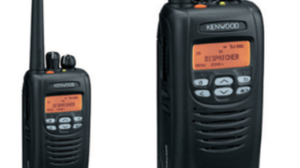

  • Streamlining Mining Communication with Cave Radios

    Streamlining Mining Communication with Cave Radios

    Effective communication is the backbone of any successful mining operation. The need for reliable and efficient communication systems in mining environments has become increasingly apparent, especially as operations move deeper underground. Cave radios, a groundbreaking innovation in mining communication, have proven to be an indispensable tool for ensuring safety and operational efficiency.

    What Are Cave Radios?

    Cave radios are specialized communication devices designed to work in challenging underground environments. Unlike traditional radios that rely on line-of-sight or cellular networks, cave radios use low-frequency signals that penetrate through rock, soil, and other dense materials. This capability makes them ideal for use in mines, where typical communication methods often fail.

    Enhanced Safety and Coordination

    Safety is a top priority in mining. Cave radios provide a reliable means of communication between surface teams and underground workers, ensuring that any emergencies, such as collapses or equipment malfunctions, can be quickly reported and addressed. With clear, uninterrupted communication, rescue efforts can be coordinated effectively, potentially saving lives.

    Improved Operational Efficiency

    Efficient communication is critical for coordinating daily mining activities, such as drilling, hauling, and blasting. Cave radios enable seamless communication between different teams, reducing downtime and minimizing miscommunication. This efficiency translates into higher productivity and lower operational costs.

    Durability and Reliability

    Mining environments are harsh, with extreme temperatures, humidity, and dust. Cave radios are built to withstand these conditions, offering durability and reliability even in the most demanding situations. Their robust construction ensures they remain functional over extended periods, providing consistent communication support for mining teams.

    Customizable Solutions

    Becker Wholesale Mine Supply offers a range of cave radio solutions tailored to meet the specific needs of mining operations. Whether it’s a small-scale mine or a large, complex operation, these systems can be customized to provide optimal coverage and functionality.

    Conclusion

    Cave radios are revolutionizing mining communication by providing a reliable, efficient, and durable solution for underground operations. Their ability to enhance safety, improve coordination, and boost productivity makes them an invaluable asset for mining companies.

    Becker Wholesale Mine Supply continues to lead the industry with its innovative cave radio solutions, helping mining operations worldwide streamline their communication systems and achieve greater success.

    For more information on how cave radios can transform your mining operation, contact Becker Wholesale Mine Supply today.

    This post was written by Justin Tidd, Director at Becker Mining Communications! For over 15 years, Becker Communications has been the industry’s leader in leaky feeder systems mining and electrical mining communication systems. As they expanded into surface mining, railroads, and tunneling they added wireless communication systems, handheld radios, tagging, and tracking systems, as well as gas monitoring.

  • Orthopedic Care: How to Manage Joint Pain and Stay Active

    Orthopedic Care: How to Manage Joint Pain and Stay Active

    Joint pain is a common issue that affects millions of people worldwide, limiting their ability to lead an active and fulfilling life. Whether due to aging, arthritis, injury, or overuse, joint pain can interfere with daily activities and hinder mobility. However, with proper orthopedic care, it’s possible to manage joint pain effectively and maintain an active lifestyle. In this article, we’ll explore how orthopedic care can help alleviate joint pain, the importance of staying active, and practical strategies to improve joint health.

    1. Understanding Joint Pain and Its Causes

    Joint pain can affect any of the body’s joints, including the knees, hips, shoulders, and wrists. Common causes include:

    • Osteoarthritis: A degenerative joint disease where the cartilage that cushions the joints breaks down, leading to pain and stiffness.
    • Rheumatoid Arthritis: An autoimmune condition where the body’s immune system attacks the joints, causing inflammation and pain.
    • Injury: Damage to the ligaments, tendons, or bones that make up a joint can result in acute or chronic pain.
    • Overuse: Repetitive movements or physical activity that places stress on a joint can lead to pain or inflammation.

    While joint pain can be challenging, it’s important to remember that orthopedic care provides various treatment options to manage pain and improve joint function.

    2. Orthopedic Care: Treatment Options for Joint Pain

    When dealing with joint pain, orthopedic care focuses on diagnosing the underlying cause of the discomfort and recommending appropriate treatments. Common orthopedic treatments for joint pain include:

    A. Non-Surgical Treatments

    • Physical Therapy: A key component of orthopedic care from orthopedist, physical therapy involves exercises and techniques designed to strengthen muscles around the joint, improve flexibility, and alleviate pain. A physical therapist will create a tailored exercise program that targets specific muscle groups to support the affected joint.
    • Medications: Pain relievers such as nonsteroidal anti-inflammatory drugs (NSAIDs) or acetaminophen can provide relief from inflammation and pain. For chronic conditions like arthritis, disease-modifying antirheumatic drugs (DMARDs) or biologics may be prescribed.
    • Joint Injections: For more severe cases of joint pain, corticosteroid injections or hyaluronic acid injections may be used to reduce inflammation and improve joint lubrication.
    • Bracing and Orthotics: Custom-designed braces, splints, or insoles can help support the joint and reduce stress, providing relief and improving mobility.

    B. Surgical Treatments

    In cases where conservative treatments don’t provide adequate relief, surgical interventions may be necessary. These can include:

    • Arthroscopy: A minimally invasive procedure where a small camera is inserted into the joint to diagnose and treat damage.
    • Joint Replacement: In cases of severe joint degeneration, a full or partial joint replacement (such as a knee or hip replacement) may be recommended to restore function and reduce pain.
    • Fusion Surgery: This procedure fuses two bones together in a joint to reduce pain caused by movement and degeneration.

    3. The Importance of Staying Active

    While joint pain may encourage you to slow down, staying active is one of the most important factors in managing joint health. Exercise can strengthen muscles around the joint, improve flexibility, and reduce inflammation. Regular activity helps maintain mobility and function, preventing the joints from becoming stiff and weak. However, it’s crucial to choose low-impact exercises that don’t exacerbate the pain.

    Low-Impact Exercises for Joint Health:

    • Walking: A simple yet effective way to keep your joints moving and your muscles strong without putting too much stress on them.
    • Swimming and Water Aerobics: Water-based exercises are gentle on the joints while providing resistance that helps strengthen muscles.
    • Cycling: Stationary or outdoor cycling is another low-impact exercise that can improve leg strength and joint mobility.
    • Yoga or Pilates: These exercises improve flexibility, balance, and core strength, all of which help reduce joint stress and pain.

    Incorporating these activities into your routine, along with physical therapy, can significantly reduce the impact of joint pain and improve overall quality of life.

    4. Tips for Joint Pain Management and Prevention

    Managing joint pain effectively also requires adopting a lifestyle that supports joint health. Here are some helpful tips:

    • Maintain a Healthy Weight: Extra weight places unnecessary stress on weight-bearing joints like the knees, hips, and spine. Maintaining a healthy weight can reduce the strain on these joints and decrease pain.
    • Practice Proper Posture: Good posture helps align the body properly and prevents unnecessary wear and tear on your joints, especially in the spine and hips.
    • Use Proper Ergonomics: Whether at work or during physical activity, using ergonomic tools and techniques can help minimize strain on your joints.
    • Incorporate Joint-Friendly Foods: Certain foods, like those rich in omega-3 fatty acids (found in fish), antioxidants (found in berries and leafy greens), and vitamin D (found in fortified dairy and sunlight), can help reduce inflammation and promote joint health.

    5. When to Seek Professional Help

    If joint pain persists despite home care and exercise, it’s important to seek professional orthopedic care. A doctor specializing in orthopedics can conduct an evaluation, including imaging tests, to determine the root cause of the pain and recommend the appropriate course of treatment.

    Early intervention can prevent further joint damage and improve your ability to stay active. Whether you’re dealing with arthritis, an injury, or overuse, an orthopedic specialist can guide you through the most effective pain management and rehabilitation strategies.

    Joint pain management is key to maintaining an active lifestyle and preserving your mobility. Orthopedic care offers a wide range of treatment options, from physical therapy and medications to surgical solutions, all tailored to your specific needs. The key to effective pain management lies in early intervention, staying active with joint-friendly exercises, and making lifestyle adjustments that promote joint health. If you’re experiencing joint pain, don’t wait—consult an orthopedic specialist to get back on track with a pain-free, active life. In homes for elderly there are specialists who help old people. 

  • Mediation for Landlord-Tenant Disputes: A Better Solution

    Mediation for Landlord-Tenant Disputes: A Better Solution

    Landlord-tenant disputes are common in the rental housing sector, arising from issues such as late payments, property damage, lease violations, and disagreements over security deposits. While these disputes can often escalate into costly and time-consuming legal battles, mediation offers a more efficient, cost-effective, and collaborative way to resolve these conflicts. In this article, we will explore the benefits of landlord-tenant mediation, how it works, and why it is a better solution for resolving rental disputes.

    What is Landlord-Tenant Mediation?

    Landlord-tenant mediation is a voluntary process where both the landlord and tenant sit down with a neutral mediator to resolve their issues. The mediator helps facilitate a conversation between the two parties, guiding them toward finding a mutually agreeable solution. Unlike litigation, where a judge makes a binding decision, mediation allows the parties to maintain control over the outcome. This process is often less adversarial, helping to preserve the landlord-tenant relationship.

    Benefits of Mediation for Housing Issues

    1. Cost-Effective Dispute Resolution

    One of the most significant advantages of mediation for rental disputes is its cost-effectiveness. Litigation can be expensive, with attorney fees, court costs, and the time investment adding up quickly. Mediation, on the other hand, is typically much less costly because it involves fewer legal formalities and can often be resolved in just one or two sessions. Both landlords and tenants can save substantial money by choosing mediation over litigation.

    1. Faster Resolution

    Legal proceedings can drag on for months or even years, during which time the landlord may be losing rent, or the tenant may continue to live in uncertainty. Mediation offers a faster way to resolve disputes, often concluding within a matter of days or weeks. By resolving issues quickly, both parties can avoid prolonged disruptions to their lives and move forward with their rental relationship or part ways amicably.

    1. Preserves Relationships

    In many cases, landlord-tenant relationships need to continue even after a dispute. Mediation focuses on fostering communication and collaboration, which can help preserve or repair relationships. By working together to find a solution, both the landlord and tenant can maintain a level of goodwill and avoid the animosity that often accompanies court battles. This is especially important for long-term rental arrangements, where mutual trust and respect are crucial.

    1. Confidential and Private

    Unlike court cases, which are public record, mediation is a private process. This means that the details of the dispute and its resolution remain confidential, protecting both parties’ privacy. This confidentiality is particularly valuable for landlords who may want to avoid reputational damage or for tenants concerned about their rental history being affected.

    1. Creative and Flexible Solutions

    Mediation allows for more creative and flexible solutions than the court system. In court, a judge is limited by the law in what they can order, but in mediation, both parties can explore a range of potential solutions. For example, a tenant might agree to make repairs in exchange for reduced rent, or a landlord might agree to waive late fees in return for a new payment plan. This flexibility helps ensure that the solution fits both parties’ needs and circumstances.

    How Landlord-Tenant Mediation Works

    The mediation process is straightforward and typically follows these steps:

    1. Request for Mediation: Either the landlord or the tenant can request mediation. Many housing authorities, local governments, or community organizations offer mediation services for landlord-tenant disputes.
    2. Selecting a Mediator: A neutral third-party mediator is selected, usually someone trained in housing issues and conflict resolution.
    3. Mediation Session: During the mediation session, the mediator facilitates a structured conversation between the landlord and tenant. Both parties are encouraged to express their concerns and propose potential solutions. The mediator does not make decisions but helps guide the discussion toward a resolution.
    4. Reaching an Agreement: If both parties agree on a resolution, the terms are typically put in writing and signed by both sides. While this agreement is not legally binding, it can be formalized as a contract if both parties choose to do so.
    5. Follow-Up: If needed, follow-up mediation sessions can be arranged to monitor compliance with the agreement or address any new issues.

    Landlord-tenant mediation offers a better solution for resolving rental disputes than traditional litigation. It provides a faster, more cost-effective, and collaborative way to address issues while preserving relationships and maintaining confidentiality. Whether you’re a landlord dealing with a non-paying tenant or a tenant facing repair issues, mediation for housing disputes can help both parties reach a fair and satisfactory outcome.

    By choosing mediation, landlords and tenants can resolve their conflicts in a way that is respectful, cooperative, and beneficial for both sides, allowing them to move forward with fewer complications and a better understanding of each other’s needs. You can find different books on different topics – books for children, pregnancy tracking, for a healthy lifestyle, that will be useful for your life. Sometimes the books can help you to skip the mediation.

  • Pafikotawamena – Jembatan Informasi Kesehatan untuk Masyarakat Wamena

    Pafikotawamena – Jembatan Informasi Kesehatan untuk Masyarakat Wamena

    Di era digital seperti sekarang, akses informasi menjadi semakin mudah. Salah satu sektor yang sangat merasakan manfaat dari perkembangan teknologi informasi adalah sektor kesehatan. Di Kota Wamena, Papua, terdapat sebuah platform digital yang didedikasikan untuk memberikan informasi kesehatan kepada masyarakat, yaitu Pafikotawamena.org.

    Apa itu Pafikotawamena?

    pafikotawamena.org adalah sebuah platform digital yang dikelola oleh organisasi profesi farmasi di Kota Wamena. Platform ini hadir sebagai upaya untuk memberikan informasi kesehatan yang akurat dan terpercaya kepada masyarakat. Melalui Pafikotawamena, masyarakat dapat mengakses berbagai informasi terkait kesehatan, mulai dari informasi tentang obat-obatan, penyakit, hingga tips menjaga kesehatan.

    Fitur dan Manfaat Pafikotawamena

    Fitur Unggulan yang Dimiliki Pafikotawamena

    • Database Obat: Pafikotawamena menyediakan database obat yang lengkap dan up-to-date. Masyarakat dapat mencari informasi tentang suatu obat, mulai dari kandungan, dosis, hingga efek samping.
    • Artikel Kesehatan: Platform ini juga menyajikan berbagai artikel kesehatan yang ditulis oleh para ahli. Artikel-artikel ini membahas berbagai topik kesehatan yang relevan dengan masyarakat Wamena.
    • Forum Diskusi: Pafikotawamena menyediakan forum diskusi bagi masyarakat untuk bertanya tentang masalah kesehatan yang mereka hadapi. Pertanyaan-pertanyaan ini akan dijawab oleh para ahli di bidang kesehatan.
    • Informasi tentang Fasilitas Kesehatan: Pafikotawamena juga menyediakan informasi tentang fasilitas kesehatan yang ada di Kota Wamena, seperti rumah sakit, puskesmas, dan apotek.
    • Notifikasi: Pengguna dapat mengaktifkan fitur notifikasi untuk mendapatkan informasi terbaru tentang kesehatan.

    Manfaat Pafikotawamena bagi Masyarakat

    • Akses Informasi yang Mudah: Masyarakat dapat mengakses informasi kesehatan kapan saja dan di mana saja melalui perangkat yang terhubung dengan internet.
    • Informasi yang Akurat dan Terpercaya: Informasi yang disediakan oleh Pafikotawamena berasal dari sumber yang terpercaya, sehingga masyarakat dapat merasa yakin akan kebenarannya.
    • Meningkatkan Kesadaran Kesehatan: Dengan adanya Pafikotawamena, diharapkan masyarakat semakin sadar akan pentingnya menjaga kesehatan dan melakukan upaya pencegahan penyakit.
    • Mempermudah Akses ke Pelayanan Kesehatan: Informasi tentang fasilitas kesehatan yang tersedia di Pafikotawamena dapat membantu masyarakat menemukan layanan kesehatan yang mereka butuhkan.

    Pafikotawamena sebagai Solusi untuk Masalah Kesehatan di Wamena

    Tantangan Kesehatan di Wamena

    Kota Wamena memiliki beberapa tantangan dalam bidang kesehatan, seperti keterbatasan akses layanan kesehatan, kurangnya informasi kesehatan, dan masih tingginya angka penyakit menular.

    Peran Pafikotawamena dalam Mengatasi Masalah Kesehatan

    Pafikotawamena hadir sebagai solusi untuk mengatasi beberapa tantangan kesehatan di Wamena. Dengan menyediakan informasi kesehatan yang lengkap dan mudah diakses, platform ini dapat membantu masyarakat meningkatkan pengetahuan tentang kesehatan dan mengambil keputusan yang tepat terkait perawatan kesehatan mereka.

    Kesimpulan

    Pafikotawamena merupakan sebuah inisiatif yang sangat baik dalam upaya meningkatkan derajat kesehatan masyarakat Wamena. Platform ini telah memberikan kontribusi yang signifikan dalam menyediakan akses informasi kesehatan yang akurat dan terpercaya. Dengan terus dikembangkan dan ditingkatkan, Pafikotawamena diharapkan dapat menjadi rujukan utama bagi masyarakat Wamena dalam mendapatkan informasi kesehatan.