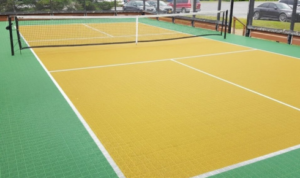
Sports infrastructure has become one of the most important sectors in global urban development and athletic growth. Countries around the world are investing heavily in modern stadiums, sports academies, and high-performance playing surfaces to support professional athletes and grassroots sports development.
One of the most significant advancements in this industry is the rise of synthetic acrylic flooring systems. These surfaces are now widely used for tennis courts, basketball courts, multi-sport arenas, and recreational facilities because of their durability, performance, and low maintenance requirements.
At the same time, iconic sports venues such as Afraha Stadium continue to highlight the importance of strong sports infrastructure in developing nations. Located in Nakuru, Kenya, the stadium currently has a seating capacity of approximately 8,200 spectators and has long served as an important football and community venue.
Understanding Modern Sports Infrastructure
Sports infrastructure includes all facilities developed for sports, recreation, training, and athletic events. It covers:
- Stadiums
- Indoor sports halls
- Tennis courts
- Basketball courts
- Athletics tracks
- Multi-purpose arenas
- Swimming pools
- Fitness complexes
- Training academies
Modern sports infrastructure focuses on:
- Athlete safety
- Performance optimization
- Spectator comfort
- Sustainability
- Smart facility management
Governments and private developers are increasingly investing in sports infrastructure because sports have become a major contributor to:
- Tourism
- Employment
- Youth development
- International branding
- Economic growth
What Is Synthetic Acrylic Flooring?
Synthetic acrylic flooring is a high-performance sports surface made from acrylic resins, silica sand, pigments, and specialized coating systems. It is commonly installed over asphalt or concrete foundations to create durable and weather-resistant sports courts.
This flooring technology is now widely used for:
- Tennis court flooring
- Basketball courts
- Volleyball courts
- Badminton courts
- Pickleball courts
- Skating areas
- School playgrounds
Synthetic acrylic flooring has become extremely popular because it combines:
- Professional performance
- Cost efficiency
- Attractive appearance
- Easy maintenance
Why Synthetic Acrylic Flooring Is Important in Sports Infrastructure
1. Superior Durability
Synthetic acrylic flooring is designed to withstand:
- Heavy player movement
- UV exposure
- Rainfall
- Heat
- Continuous sports activity
This makes it ideal for outdoor sports facilities.
2. Consistent Playing Performance
The surface provides:
- Uniform ball bounce
- Better traction
- Controlled speed
- Smooth movement
These qualities are especially important for tennis and basketball courts.
3. Low Maintenance Requirements
Unlike clay or natural grass courts, synthetic acrylic flooring requires minimal upkeep.
Basic maintenance usually includes:
- Cleaning
- Surface inspection
- Minor crack repairs
- Occasional resurfacing
4. Attractive Court Appearance
Modern acrylic systems offer vibrant colors and clean finishes that improve the overall aesthetics of sports infrastructure projects.
5. Cost-Effective Solution
Synthetic acrylic flooring offers long-term value because of:
- Lower maintenance costs
- Long lifespan
- Reduced repair frequency
Applications of Synthetic Acrylic Flooring
Tennis Court Flooring
Synthetic acrylic flooring is widely used in tennis courts because it provides:
- Consistent bounce
- Better grip
- Weather resistance
- Professional gameplay conditions
Many international hard courts use acrylic surface systems.
Basketball Courts
Acrylic basketball courts provide:
- Slip resistance
- High durability
- Smooth ball movement
- Bright court visibility
Multi-Sport Facilities
Modern sports complexes often use acrylic flooring for multi-purpose courts that support:
- Volleyball
- Pickleball
- Badminton
- Futsal
Types of Synthetic Acrylic Flooring Systems
Standard Acrylic Flooring
This is the most commonly used system for:
- Schools
- Recreational facilities
- Community courts
It offers durability and affordability.
Cushion Acrylic Flooring
Cushion systems include additional rubberized layers that:
- Reduce joint impact
- Improve comfort
- Absorb shock
These systems are preferred for professional sports facilities.
Tennis Court Flooring and Acrylic Surfaces
Tennis is one of the few sports where the playing surface significantly changes gameplay. Tennis court flooring directly affects:
- Ball speed
- Bounce height
- Player movement
- Match strategy
Synthetic acrylic tennis courts are among the most preferred choices globally because they balance:
- Speed
- Comfort
- Maintenance
- Durability
Key Features of Acrylic Tennis Court Flooring
UV Resistance
The surface remains stable even under strong sunlight.
Weather Protection
Acrylic systems are highly resistant to rain and temperature changes.
Non-Slip Texture
The textured finish improves player safety during fast movement.
Custom Court Speed
Manufacturers can adjust court speed using different acrylic coating techniques.
Long Lifespan
With proper maintenance, acrylic tennis courts can remain functional for many years.
Construction Process of Synthetic Acrylic Courts
Building a professional sports court involves several important stages.
Site Preparation
The land is leveled and drainage systems are planned.
Base Construction
Concrete or asphalt bases are constructed.
Surface Repair and Cleaning
Any cracks or imperfections are repaired before coating application.
Acrylic Layer Installation
Multiple layers are applied including:
- Primer
- Resurfacer
- Cushion coats
- Color coatings
- Line markings
Final Finishing
Additional infrastructure includes:
- Lighting
- Fencing
- Seating
- Nets
Afraha Stadium Nakuru Capacity and Sports Importance
Afraha Stadium is one of Kenya’s most recognized sports venues. Located in Nakuru, the stadium has historically hosted:
- Football matches
- Community events
- Political gatherings
- Concerts
The stadium officially holds around 8,200 spectators according to multiple stadium databases and sports references.
The venue serves as the home ground for Kenyan football clubs including:
- Ulinzi Stars
- Nakuru AllStars
The stadium opened in 1948 and remains an important part of Kenya’s sports culture.
Afraha Stadium Modernization Project
Recent reports indicate that the Kenyan government has initiated modernization work at Afraha Stadium to improve sports infrastructure in the region.
The redevelopment project aims to:
- Upgrade seating facilities
- Improve spectator circulation
- Modernize the stadium structure
- Increase future seating capacity
According to recent reports, intermediate renovation phases may expand the stadium capacity to between 13,000 and 15,000 spectators, with long-term plans targeting approximately 20,000 seats.
Importance of Stadium Infrastructure in Sports Development
Modern stadiums like Afraha Stadium play a major role in:
- Talent development
- Sports tourism
- Local economy growth
- International competitions
- Community engagement
Well-developed sports infrastructure creates opportunities for:
- Young athletes
- Coaches
- Event organizers
- Sports businesses
Future of Synthetic Acrylic Flooring
The future of synthetic acrylic flooring looks extremely promising because of increasing global demand for:
- Multi-sport facilities
- Professional tennis courts
- Recreational sports complexes
- School sports infrastructure
Technological advancements are making acrylic flooring:
- More durable
- More eco-friendly
- More shock absorbent
- Easier to maintain
Emerging Trends in Sports Infrastructure
Smart Stadiums
Modern stadiums now feature:
- Digital ticketing
- LED lighting
- Smart surveillance
- Performance analytics
Sustainable Construction
Sports infrastructure projects increasingly focus on:
- Water conservation
- Solar energy
- Eco-friendly materials
Community Sports Development
Governments are investing in local sports infrastructure to encourage youth participation and healthy lifestyles.
Maintenance Tips for Synthetic Acrylic Flooring
Proper maintenance ensures long-lasting performance.
Regular Cleaning
Remove dust, dirt, and debris regularly.
Water Management
Prevent standing water accumulation on outdoor courts.
Surface Inspection
Inspect the court periodically for cracks or surface wear.
Resurfacing
Professional resurfacing restores:
- Grip
- Court speed
- Surface appearance
Conclusion
Modern sports infrastructure is essential for athlete development, sports tourism, and community engagement. High-performance surfaces such as synthetic acrylic flooring have become central to modern sports facilities because of their durability, safety, and professional gameplay characteristics.
From tennis court flooring to multi-purpose sports arenas, acrylic flooring systems continue to transform the sports industry worldwide.
At the same time, stadiums like Afraha Stadium demonstrate the growing importance of sports infrastructure in Africa. With its current capacity of approximately 8,200 spectators and ongoing modernization plans targeting much larger capacities, the stadium reflects the future direction of sports development in Kenya and beyond.