Category: Technology

  • Best Frontend Frameworks for Web Development in 2024

    Best Frontend Frameworks for Web Development in 2024

    Front-end frameworks are recognized as a collection of libraries, pivotal tools, and different pre-designed components. Such components are equipped with different reusable components, for CSS, JavaScript, and HTML, which the developers reuse in other projects.

    The front-end frameworks play an integral role in streamlining the development process, thereby assuring a more app-like feeling and smooth transitions during user interactions. They are considered to be crucial tools that allow developers to create efficient and engaging digital experiences. Thus, they provide a helping hand to make the web app development process more organized, structured, and user-friendly. Now, we are going to talk about the best front-end frameworks for web development in 2024:

    React.Js

    React.js happens to be a well-renowned front-end framework to accomplish the success of full-stack web development projects. The presence of hassle-free UI components and robust integration capabilities allows individual developers and web development business organizations to utilize the JavaScript library.

    It is equipped with an enriched components library, which offers powerful features to the developers, like server-side rendering, high-performance virtual DOM, and automated UI testing during serverless development. React.Js provides versatility, and thus, you can use it to create enterprise-level web solutions with dynamic user interfaces. Therefore, it offers quicker time to market without the need to compromise the code quality standards.

    Vue.Js

    It is another famous framework that comes with official routing, scoped CSS, and ready-made API for transitions. Vue’s benefits include detailed documentation that provides support for simple and complex apps. It is considered to be a suitable choice for projects that need flexibility over different stable components.

    Angular.Js

    It is another famous front-end framework in the full stack web development. Hence, it is regarded as an excellent option for serverless application in the web development companies. It provides a fantastic opportunity for developers to widen their HTML vocabulary. Thus, it helps to create complicated apps faster. Angular.Js functions as the effective bridge between the design departments and code to improve team collaboration. It decreases the code complexity with effective project management. It assures that the applications remain more maintainable.

    Solid.js

    It is considered a popular framework for serverless app and is earning a high reputation within the online community. It is supposed to be quicker than React. It features an extensive component lifecycle, which is ideal for scalable dashboards, apps, and building performance.

    Preact

    It is another worth mentioning front end framework, which offers a powerful feature of different features. It provides a suitable opportunity for developers to build feature-rich and complex apps. It provides an excellent option for the developers to mix and reuse the existing code with the components library. It helps to decrease the development time for the projects. This front-end framework is helpful in optimizing the code more efficiently. As it is integrated with the front-end libraries, you do not need to sacrifice the app’s scalability and performance.

    Lit

    It is regarded as a user-friendly, small front-end framework that provides outstanding performance. It functions as a functional reactive layer around different web component primitives. It helps migrate to native code from JS.

    Svelte

    It is another famous open-source front-end framework that boasts a lightning-quick response time and a compile-time approach that decreases the website size. Hence, it is regarded as an excellent choice for beginners and minor projects. The features of the front-end framework include minimal boilerplate, lightweight implementation, a ready-made reactive store, and hassle-free learning. The responsiveness and simplicity make it an excellent choice for different media-focused apps.

    Ember.Js

    It happens to be an open-source and powerful JavaScript library that boasts a massive user base. It offers valuable tutorials and guides, which are helpful to developers so that they can get the most out of the platform. It provides the ideal opportunity for developers to build interactive SPAs and complex user interfaces faster. Thus, it is helpful for developers to create websites using native features.

    Qwik

    Qwik is a promising framework that boasts a reusability model. It stands out in providing app loading performance and dev experience. It helps eradicate different challenges, like handling exit animations and understanding functions.

    Choosing the right front-end framework for the business requires careful consideration of the core functionalities, popularity, server-side rendering capabilities, usability, and availability of different learning resources, flexibility, and hassle-free integration with unique libraries, future support, and security features.

    Front-end frameworks benefit businesses by streamlining coding, ensuring a standardized structure, providing a seamless UI experience, and facilitating the creation of full-fledged modern apps.

  • Exploring Higher Education Options for Military Personnel

    Exploring Higher Education Options for Military Personnel

    Introduction

    For many in the military community, pursuing higher education represents a pathway to career advancement and personal development. However, finding the right educational institution that accommodates the unique lifestyle and commitments of military personnel can be challenging. In this context, an online university tailored specifically for military members offers an effective solution.

    Why Choose an Online University for Military?

    Military personnel often face schedules that are incompatible with traditional campus-based programs. Deployments, relocations, and irregular work hours can disrupt continuous study in a typical university setting. The flexibility of online education allows students to balance their academic pursuits with their responsibility to their family and colleagues. Universities that offer programs specifically designed for military members understand these challenges and provide courses that can be accessed anytime and anywhere, making it easier for military students to complete their education regardless of their duties.

    The Benefits of Specialized Online Programs

    Choosing an online university for military personnel comes with several advantages. First, these institutions often recognize the training and experience that military members bring to their academic pursuits. Many online universities offer credit for military training, reducing the time and cost to earn a degree. Additionally, online courses allow students to interact with peers across the globe, providing a diverse learning environment that enhances their educational experience.

    Flexibility and Support

    One of the key benefits of enrolling in an online program specifically designed for military students is the level of flexibility offered. Courses are typically asynchronous, which means students can log in and complete assignments at times that suit their schedules. This is particularly beneficial for those who might be stationed overseas or on active duty where accessing a traditional classroom setting is not feasible.

    Moreover, online universities focused on serving military students often have robust support systems in place. These include dedicated military advisors, career counseling, and technical support, all of which are geared towards helping students navigate their academic journey while managing their military responsibilities.

    Educational Outcomes and Career Advancement

    The impact of obtaining a degree from an online university can be significant in terms of career advancement. For military personnel, education is not just about personal enrichment; it’s a strategic move towards transitioning into higher roles within the military or preparing for a civilian career post-service. An accredited online degree can open doors to new opportunities, providing military personnel with the tools needed to succeed in various professional environments.

    Conclusion

    For military members considering further education, choosing an online university that caters specifically to their needs can be a wise decision. The flexibility, recognition of military training, and comprehensive support systems are crucial factors that make online universities particularly appealing. By providing an educational pathway that accommodates the demanding lifestyle of military personnel, these institutions play a vital role in helping them achieve their academic and career goals. Through structured programs and dedicated support, military members can confidently pursue their education, ensuring they are well-prepared for the future, whatever it may hold.

  • The Future of Banking is Digital: Redefine Customer Experience

    The Future of Banking is Digital: Redefine Customer Experience

    Due to the emergence of new technologies and changes in customer expectations, traditional banking models are evolving to provide more seamless and efficient digital experiences. Tech Mahindra is playing a crucial role in this transformation by providing innovative solutions and partnering with banks to help them improve their customer experiences.

    Tech Mahindra’s BPO services for banking institutions streamline processes, reduce costs, and enhance efficiency. From back-office operations to customer support, our tailored solutions optimize workflows, allowing banks to focus on core competencies and deliver superior value to customers.

    Digital transformation in banking is no longer a choice but a necessity. Tech Mahindra recognizes this imperative and offers comprehensive business process outsourcing (BPO) services tailored to the unique needs of the banking sector. From streamlining operations to enhancing customer engagement, our solutions are designed to drive efficiency and profitability in an increasingly competitive market.

    Central to our approach is the concept of digital customer experience consulting. We understand that today’s customers demand more than just transactions; they seek personalized, intuitive, and hassle-free interactions with their financial institutions. Leveraging advanced analytics, artificial intelligence, and machine learning, Tech Mahindra helps banks harness the power of data to deliver tailored experiences that resonate with their customers.

    One of the key areas of innovation is the integration of cutting-edge technologies such as blockchain and robotic process automation (RPA) to enhance security and efficiency in banking operations. By leveraging blockchain, banks can ensure the integrity and immutability of transaction records, thereby reducing fraud and enhancing trust among customers. Similarly, RPA enables banks to automate repetitive tasks, allowing employees to focus on more value-added activities and improving overall productivity.

    At Tech Mahindra, we have a strong commitment to advancing financial inclusion through the provision of digital banking solutions that cater to the needs of underserved communities. Our goal is to promote the democratization of financial services and empower individuals to participate in the digital economy through partnerships with fintech startups and government agencies.

    Tech Mahindra is a company that specializes in helping banks improve their digital customer experience consulting. Their expertise allows banks to offer personalized and seamless interactions across all points of contact, making it easier and more intuitive for customers to interact with their bank. By harnessing data analytics and AI-driven insights, we help banks anticipate customer needs, drive engagement, and build lasting relationships in an increasingly competitive landscape.

    As the banking industry continues to evolve, Tech Mahindra remains committed to driving innovation and delivering customer experience solutions that redefine the customer experience. By staying ahead of emerging trends and leveraging our deep industry expertise, we enable banks to thrive in the digital era and unlock new opportunities for growth and success.

    In conclusion, Tech Mahindra’s holistic approach to BPO, digital transformation, and customer experience consulting positions banks for success in an increasingly digital world. With our strategic guidance and innovative solutions, we empower banks to navigate the complexities of modern banking and deliver unparalleled value to customers.

  • Renewable Energy Tech: Harnessing Power from Sustainable Sources

    Renewable Energy Tech: Harnessing Power from Sustainable Sources

    As the world faces the urgent need to transition away from fossil fuels and reduce carbon emissions, renewable energy technologies have emerged as key solutions. These technologies harness power from sources that are naturally replenished, such as sunlight, wind, and water. Let’s explore the importance of renewable energy and the technologies driving this global shift toward sustainability.

    The Need for Renewable Energy
    Fossil fuels, while providing energy for decades, come at a significant environmental cost. The burning of coal, oil, and gas releases greenhouse gases that contribute to climate change. Renewable energy sources offer a cleaner and more sustainable alternative, helping to mitigate the negative impacts of energy production.

    Solar Energy
    Solar energy is perhaps the most well-known renewable energy source. Solar panels, also known as photovoltaic (PV) panels, convert sunlight into electricity. They can be installed on rooftops, in solar farms, and even integrated into various products. Advances in solar technology have led to increased efficiency and reduced costs, making solar energy more accessible.

    Wind Energy
    Wind energy harnesses the power of the wind to generate electricity. Wind turbines, often located in windy areas or offshore, spin in response to the wind’s force. This movement generates mechanical energy, which is then converted into electricity. Wind energy is a versatile and rapidly growing source of renewable power.

    Hydropower
    Hydropower converts the energy of flowing water into electricity. Dams and turbines are used to capture the kinetic energy of water in rivers and dams, transforming it into electrical energy. While large-scale hydropower plants have been used for decades, smaller run-of-the-river systems are gaining popularity.

    Biomass and Bioenergy
    Biomass refers to organic materials such as wood, agricultural residues, and waste. These materials can be burned to produce heat or converted into biofuels like ethanol and biodiesel. Bioenergy provides a way to utilize organic waste while reducing reliance on fossil fuels.

    Geothermal Energy
    Geothermal energy taps into the heat stored within the Earth’s crust. Geothermal power plants use steam or hot water from underground reservoirs to generate electricity. This source of energy is reliable and available around the clock.

    Challenges and Advancements
    While renewable energy technologies offer promising solutions, they also face challenges. Intermittency—variations in availability due to weather or time of day—is a challenge for solar and wind energy. Energy storage solutions, such as batteries, are crucial for storing excess energy for use when the sun isn’t shining or the wind isn’t blowing.

    Advancements in energy storage, grid integration, and smart technologies are helping to address these challenges. Smart grids enable better management of energy distribution, while innovative storage solutions enhance the reliability of renewable energy sources.

    Global Impact and Future Outlook
    The adoption of renewable energy technologies has significant global implications. Transitioning to clean energy reduces greenhouse gas emissions, combats air pollution, and enhances energy security. Countries and regions around the world are setting ambitious renewable energy targets to accelerate the shift toward a sustainable energy future.

    Conclusion
    The transformation to renewable energy technologies is a pivotal step toward a greener, more sustainable world. From capturing the power of the sun and wind to harnessing the Earth’s natural heat, these technologies offer a cleaner, more abundant source of energy. As innovation continues to drive the renewable energy sector forward, the promise of a future powered by sustainable sources grows brighter each day.

  • Drones and Their Diverse Applications: From Delivery to Surveillance

    Drones and Their Diverse Applications: From Delivery to Surveillance

    Unmanned Aerial Vehicles (UAVs), commonly known as drones, have rapidly transformed from futuristic gadgets to essential tools in various industries. Their ability to navigate the skies without a pilot onboard has opened up a world of possibilities, from delivering packages to monitoring disaster areas. Let’s explore the diverse applications of drones and their impact on various sectors.

    Aerial Photography and Filmmaking
    Drones have revolutionized the field of aerial photography and filmmaking. They offer a cost-effective way to capture stunning aerial shots that were once only possible with helicopters or airplanes. From capturing breathtaking landscapes to adding dynamic angles to movies and commercials, drones have expanded the creative horizons of visual storytelling.

    Precision Agriculture
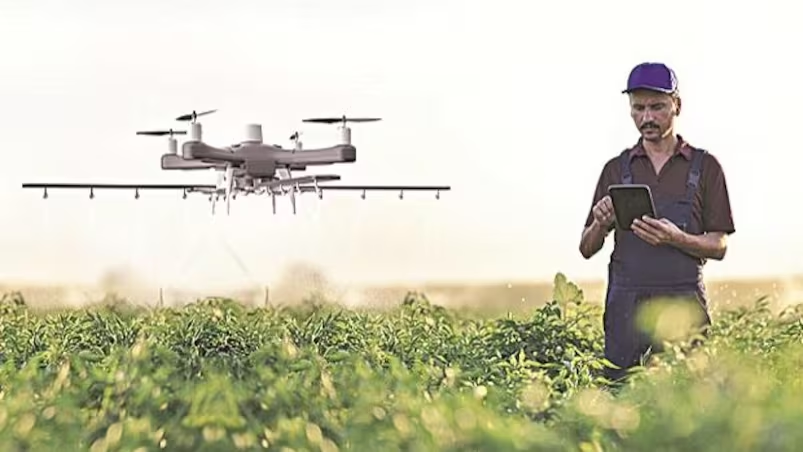
    In agriculture, drones are being used for precision farming. Equipped with sensors and cameras, drones can monitor crop health, identify areas of stress, and assess irrigation needs. This data-driven approach helps farmers optimize resource usage, increase yields, and make informed decisions.

    Environmental Monitoring
    Drones play a vital role in environmental research and conservation. They can collect data on wildlife populations, track deforestation, monitor water quality, and even help combat illegal poaching. Drones provide researchers with valuable insights into remote and challenging-to-access areas.

    Search and Rescue Operations
    During disaster situations, such as earthquakes or hurricanes, drones are deployed for search and rescue operations. Equipped with thermal imaging cameras and other sensors, drones can locate survivors in hazardous environments, helping rescue teams navigate and make decisions more effectively.

    Infrastructure Inspection
    Traditional infrastructure inspections, such as bridges and power lines, can be dangerous and time-consuming. Drones make these tasks safer and more efficient. They can fly close to structures, capturing high-resolution images and data that engineers use to assess structural integrity and identify maintenance needs.

    Package Delivery
    E-commerce giants have explored the use of drones for package delivery. Drones can quickly transport small parcels over short distances, reducing delivery times and the need for traditional delivery methods. However, regulatory and logistical challenges have slowed down the widespread adoption of drone delivery.

    Surveillance and Security
    Drones have found applications in law enforcement, border control, and private security. They can monitor large areas, provide real-time situational awareness, and enhance security operations. However, concerns about privacy and potential misuse have sparked debates surrounding drone surveillance.

    Challenges and Considerations
    While drones offer numerous benefits, their proliferation raises concerns. Privacy issues, airspace regulations, and the potential for accidents or collisions are challenges that need to be addressed. Ensuring responsible drone usage requires a balance between innovation and safeguarding societal values.

    Future Innovations
    As technology advances, drones are becoming more sophisticated. Autonomous navigation, obstacle avoidance, and longer flight times are among the innovations driving the industry forward. Further developments in battery technology and artificial intelligence will likely expand the range of applications.

    Conclusion
    Drones have transcended their initial use as recreational toys and have become indispensable tools in a wide range of industries. Their versatility, combined with the potential for innovative advancements, suggests that their impact will only continue to grow. As drones find new and creative applications, they are shaping the way we interact with our environment, solve problems, and explore possibilities beyond our reach.