
There’s something wonderfully simple about walking into a cool house after spending an afternoon in the heat. You close the door, hear the quiet hum of the air conditioner, and suddenly the day feels a little easier. We don’t usually think about how that comfort happens—until the system struggles.
A dependable cooling system isn’t just about buying an expensive unit. The equipment, installation, sizing, ductwork, airflow, and ongoing maintenance all matter. When these pieces work together, the result is a home that stays comfortable without making the air conditioner work harder than necessary.
If you’re considering replacing an old system or installing cooling for the first time, it pays to look beyond the price tag.
Start With the Home, Not the Equipment
One of the most common mistakes homeowners make is choosing an air conditioner based only on the size of the unit.
Your home’s cooling needs depend on much more than square footage. Insulation, windows, ceiling height, sunlight, ductwork, and even the home’s layout can influence how much cooling is actually required.
That’s why a professional evaluation is useful before purchasing equipment. A technician can assess the property and determine what type and capacity of system makes sense.
Bigger isn’t always better. An oversized unit can cycle on and off too frequently, while an undersized one may run constantly without keeping the home comfortable.
Why Air Conditioning Installation Matters
Buying a quality air conditioner is only the beginning. The installation itself has a huge influence on how the system performs.
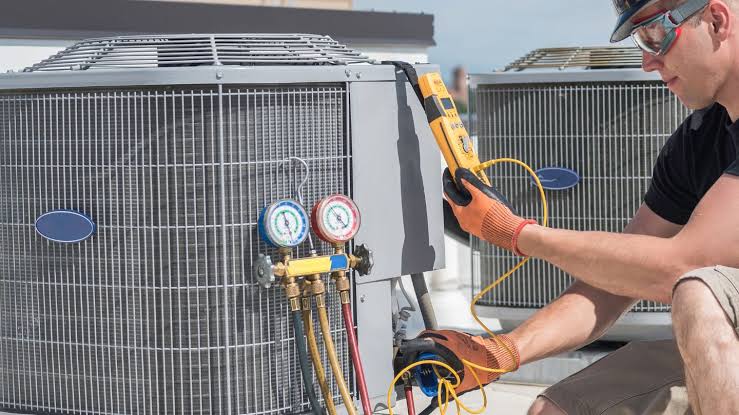
Professional air conditioning installation should involve careful equipment placement, proper electrical connections, correct refrigerant lines, drainage, airflow, and appropriate system sizing.
It may be tempting to rush through the installation so you can start enjoying cool air immediately. But shortcuts can create headaches later. Poor connections, incorrect sizing, or restricted airflow can contribute to uneven cooling, higher energy bills, and unnecessary repairs.
A careful installation gives the equipment a much better chance of performing the way it was designed to.
Your Ductwork Deserves Attention Too
Sometimes homeowners replace their air conditioner and are surprised when certain rooms still feel warmer than others.
The equipment isn’t always to blame.
Ductwork can develop leaks, disconnected sections, poor insulation, or airflow restrictions. Conditioned air may escape before it reaches the rooms where it’s needed, leaving the system to run longer without delivering consistent comfort.
If you’re replacing an AC system, having the ductwork inspected is a smart move. Fixing obvious leaks or airflow problems can help the new equipment perform more effectively.
There’s not much point in paying for efficient cooling if a portion of that cooling disappears inside the walls.
What Makes a Good Air Conditioning System?
A reliable air conditioning system should do more than produce cold air.
It should maintain reasonably consistent temperatures, operate efficiently, manage indoor humidity, and run without excessive noise. It should also be dependable enough that you’re not constantly wondering when the next breakdown will happen.
Installation quality plays a major role here. So does maintenance.
Simple habits such as replacing filters, keeping outdoor equipment clear of debris, and paying attention to unusual changes can help support normal operation.
No system lasts forever, of course. But proper care can make a noticeable difference in how well it performs over time.
Think About Long-Term Energy Costs
The price you pay for an air conditioner is only part of the investment.
Every month, the system adds to your electricity consumption. A unit that operates inefficiently can cost considerably more over its lifetime, even if its initial purchase price was attractive.
When comparing systems, look at efficiency ratings, expected lifespan, maintenance requirements, and installation costs—not just the sticker price.
A slightly more expensive system may make sense if it offers better efficiency and dependable performance for years.
Still, don’t assume the highest efficiency rating automatically means the best choice. The equipment needs to be correctly sized and installed for your particular home.
Installation Isn’t the Finish Line
Once the new system is installed, it’s easy to forget about it.
After all, that’s what you wanted—to have an AC system that works quietly in the background.
But even new equipment needs attention.
Filters should be checked regularly and replaced according to the manufacturer’s recommendations. Outdoor units should remain free from leaves, grass, and other debris. Professional inspections can help identify developing issues before they turn into larger repairs.
Think of maintenance as protecting the money you’ve already spent.
Choosing the Right HVAC Company
The contractor you choose can be just as important as the equipment itself.
A good HVAC company should explain your options clearly, answer questions without making you feel rushed, and provide information about the installation process.
For homeowners considering River Valley Air Conditioning, it’s worth looking at the company’s services, experience, qualifications, and approach to installation before making a final decision. A trustworthy contractor should be willing to discuss sizing, equipment choices, maintenance, and expected operating costs.
Don’t be afraid to ask questions. If something doesn’t make sense, ask for an explanation in plain language.
You are the one who will live with the system after the technicians leave.
Don’t Ignore Indoor Air Quality
Air conditioning affects more than temperature.
Filters and HVAC components can influence the quality of the air circulating through your home. If filters are neglected or the system isn’t maintained properly, dust and other particles can accumulate.
Humidity matters, too. A home that’s too humid may feel uncomfortable even when the thermostat shows a reasonable temperature.
Depending on the property, homeowners may benefit from better filtration, humidity control, ventilation improvements, or ductwork repairs.
The right solution depends on the home’s actual needs. There’s no reason to buy every HVAC accessory simply because someone recommends it.
Watch for Early Warning Signs
Even a well-installed system can eventually develop problems.
Weak airflow, strange noises, unusual odors, frequent cycling, inconsistent temperatures, and unexplained increases in energy costs are all worth noticing.
They don’t necessarily mean the system is about to fail. Sometimes the cause is surprisingly simple.
A dirty filter or blocked airflow can create symptoms that look much more serious than they really are. That’s why diagnosis matters before spending money on major repairs.
Preparing for the Future
If your current air conditioner is several years old and repairs are becoming more frequent, don’t wait until it completely fails to think about replacement.
Planning ahead gives you time to compare equipment, contractors, warranties, and installation costs. You’re making a decision calmly instead of standing in a hot room wondering how quickly someone can get your AC running again.
That extra time can be valuable.
Comfortable Cooling Starts With Smart Decisions
A dependable air conditioner doesn’t happen by accident. It comes from choosing suitable equipment, installing it correctly, maintaining it regularly, and paying attention when something changes.
The goal isn’t simply to make your home cold. It’s to create steady, efficient comfort without putting unnecessary strain on the equipment.
Take the time to evaluate your home, ask sensible questions, and choose professionals who care about doing the job properly. When summer arrives and the heat starts building outside, you’ll be glad you did.
After all, the best HVAC system is the one you barely have to think about—because it’s quietly doing its job, day after day.