
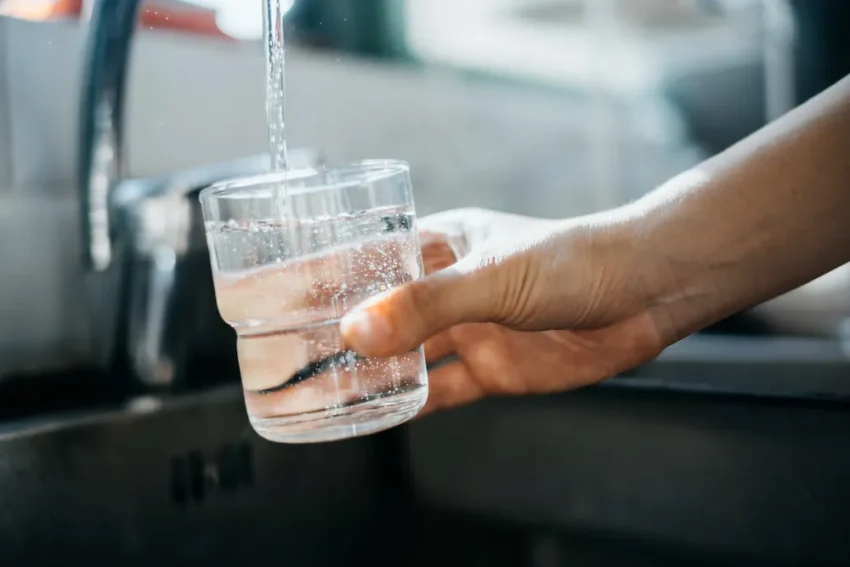
Water is one of those everyday things we tend to take for granted. Turn on the faucet, fill a glass, wash the vegetables, take a shower, and move on. But when the water starts tasting strange, leaving spots on dishes, or making your skin feel unusually dry, you suddenly notice just how much your household depends on it.
The truth is, water quality can vary quite a bit from one home to another. Even water that looks perfectly clear may contain minerals, sediment, chlorine, or other substances that affect taste, plumbing, and appliances. Finding the right treatment approach isn’t about chasing perfectly “pure” water. It’s about understanding what your water needs and choosing a practical solution.
Start by Understanding Your Water
Before buying any treatment equipment, it makes sense to find out what you’re actually dealing with. A water test can reveal important details about hardness, pH, dissolved solids, sediment, and other characteristics.
This is especially useful for homes with private wells. Groundwater conditions can change with seasons, rainfall, nearby land use, or other environmental factors. Municipal water supplies are generally treated before reaching homes, but even then, taste and mineral concerns can vary.
Testing gives you something much better than guesswork. Instead of choosing a filter because it has impressive packaging or because a friend swears by it, you can select treatment based on actual water conditions.
Why Clean Water Is About More Than Appearance
Clear water isn’t necessarily the whole story. Some substances dissolved in water have no obvious color or smell, which means you can’t always judge quality by looking at your glass.
A sensible treatment plan focuses on the specific concerns identified through testing. For some households, reducing sediment may be the priority. Others may mainly be dealing with hard water or an unpleasant chlorine taste.
Good clean safe water solutions are therefore not one-size-fits-all. The best approach depends on where the water comes from, how it is used, and what the testing shows.
And sometimes the right answer is surprisingly simple. Not every home needs an elaborate collection of filters and treatment equipment.
Hard Water Can Create Everyday Frustrations
Hard water is one of the most common concerns homeowners encounter. It contains elevated amounts of minerals such as calcium and magnesium, which can leave deposits on faucets, shower doors, sinks, and appliances.
If you’ve ever cleaned a shiny faucet only to find a white ring around it a few days later, you know how annoying mineral deposits can be.
Hard water can also affect soap performance. Some people notice that their skin feels dry after bathing or that laundry doesn’t feel as soft as expected. Inside water heaters and other appliances, mineral scale can gradually accumulate and affect performance.
A properly sized water softener can help reduce the minerals responsible for hardness and make some household chores a little easier.
Taste Matters More Than People Think
Water quality isn’t only about technical measurements. Taste matters, too.
If tap water has a strong chlorine flavor or an unusual mineral taste, people may avoid drinking it. Instead, they might buy bottled beverages or keep forgetting to drink enough throughout the day.
Improving taste can make a surprisingly noticeable difference. A properly selected filtration system can reduce certain substances responsible for unpleasant tastes and odors, making great-tasting water easier to enjoy at home.
It also changes the experience of cooking. Coffee, tea, soups, rice, and other foods all contain water. When the water tastes better, the difference can sometimes show up in the final dish.
Choosing Filtration for a Specific Purpose
There are several types of water treatment technology, and each one has its own job.
Sediment filters can reduce particles such as sand and rust. Activated carbon filtration is commonly used to improve taste and reduce chlorine. Water softeners address hardness, while reverse osmosis systems can reduce many dissolved substances.
Some homes may need only one type of treatment. Others might benefit from several stages working together.
The important thing is not to assume that more equipment automatically means better water. Every additional component can bring extra maintenance, replacement costs, and installation requirements.
Simple is often better when simple does the job.
Whole-Home Treatment vs. Drinking Water Treatment
Another decision homeowners face is whether they need treatment throughout the house or only at specific faucets.
Whole-home systems treat water as it enters the property, depending on the technology and installation. This can be useful when the concern affects showers, laundry, appliances, and plumbing—not just drinking water.
Point-of-use systems, on the other hand, focus on a particular location, such as the kitchen sink. They can be a practical choice when drinking-water taste or specific contaminants are the main concern.
Neither approach is automatically better. It comes down to what you’re trying to accomplish.
Maintenance Shouldn’t Be an Afterthought
Even a high-quality treatment system needs attention. Filters don’t last forever, softeners require periodic care, and reverse osmosis membranes eventually need replacement.
Ignoring maintenance can gradually reduce performance. Water pressure may drop, taste may change, or the system may simply stop working as effectively as it once did.
A simple reminder on your phone can make a difference. Keep track of filter replacement dates and follow the manufacturer’s recommendations. If something suddenly changes, investigate rather than waiting for the problem to become obvious.
A little maintenance is usually easier than an emergency repair.
Professional Experience Can Make the Choice Easier
Water treatment can become confusing quickly. There are countless systems, technologies, capacities, and marketing claims to sort through.
This is where water treatment expertise can be genuinely useful. A knowledgeable professional can interpret water-test results, consider household demand, explain the differences between treatment methods, and recommend equipment that actually fits the property.
That doesn’t mean homeowners should simply accept the first recommendation they hear. Ask questions. Find out why a particular system is being suggested and what ongoing maintenance it requires.
A good provider should be comfortable explaining the reasoning in plain language.
Better Water Starts With a Practical Plan
Improving water quality doesn’t have to mean turning your home into a laboratory. Start small and stay practical.
Test the water. Identify the problems that actually matter. Consider how your family uses water, what appliances need protection, and whether the issue affects the whole property or just drinking water.
Then choose treatment based on those facts.
The best water system is rarely the most complicated one. It’s the one that quietly solves the problems you have, remains manageable to maintain, and gives you confidence every time you turn on the tap.
After all, good water treatment isn’t really about equipment. It’s about making everyday life a little easier—and sometimes, that’s the most valuable improvement a home can have.